7 Best Places for Sourcing Raw Dog Food UK in 2026
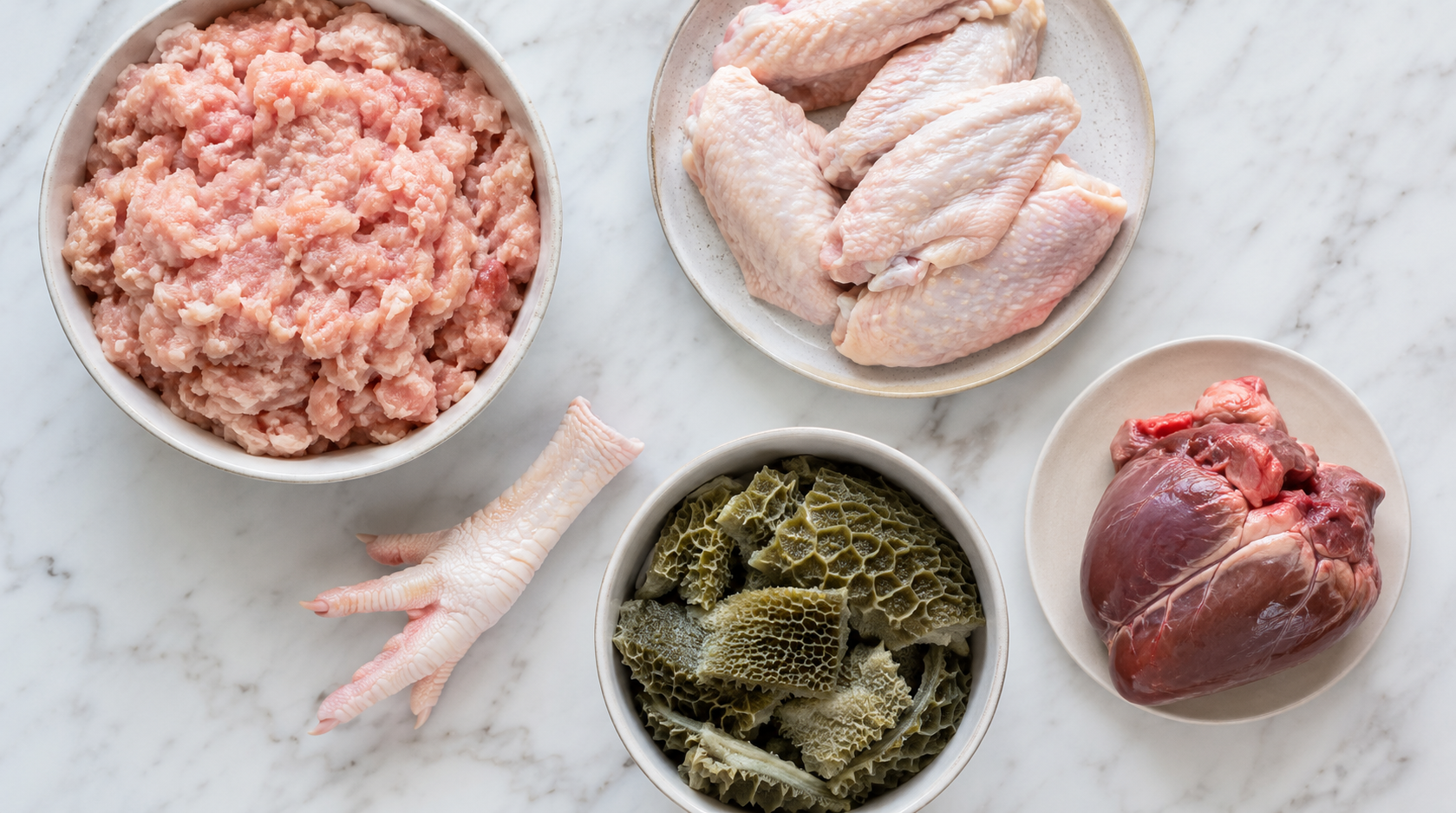
Sourcing raw dog food UK-wide is far easier than most beginners expect — once you know where to look. Whether you’re just switching from kibble or you’re a seasoned raw feeder aiming to cut costs, there are seven genuinely excellent options available across the country, from independent butchers to online raw specialists and wholesale outlets. This guide covers every route for sourcing raw dog food in the UK: what each costs, what quality you can expect, and how to combine them to build a varied, biologically appropriate diet. If you haven’t made the switch yet, our guide to transitioning your dog to raw food is the perfect place to start.
Why Sourcing Raw Dog Food in the UK the Right Way Matters
Not all raw food is equal, and not all suppliers are equally transparent. Some online brands charge premium prices for complete minces that are heavy on offal and light on muscle meat. Some butcher offcuts include unexpected bone fragments or unlabelled species. And some products marketed as “raw” contain preservatives or rendered ingredients that undermine the whole point of feeding a biologically appropriate diet.
Getting sourcing right also matters for variety. A balanced BARF diet or prey model raw (PMR) diet depends on rotating proteins — chicken, beef, lamb, pork, fish, rabbit, venison, and green tripe — to deliver the full range of amino acids and micronutrients. A single supplier rarely covers everything well. Most experienced raw feeders in the UK use two or three sources: typically a butcher or co-op for bulk muscle meat, an online specialist for complete minces and organ packs, and a supermarket or market stall for mid-week variety.
Use our free raw dog food calculator to work out exactly how much your dog needs each week before you start — it makes quantities and budgeting far easier to plan.
7 Ways of Sourcing Raw Dog Food UK: At a Glance
Here is a quick cost and suitability overview before we dive into each option for sourcing raw dog food in the UK:
| Source | Cost per kg | Best for |
|---|---|---|
| Local butcher | £0.50 – £2.00 | Budget feeding, freshness, variety |
| Online raw specialists | £1.50 – £4.50 | Convenience, organ packs, complete minces |
| Raw feeding co-ops | £1.00 – £2.50 | Group orders, regular large-quantity buyers |
| Farm direct & abattoirs | £0.30 – £1.50 | Bulk buyers, cheapest offcuts |
| Ethnic supermarkets & markets | £0.80 – £2.50 | Novel proteins, mid-week top-ups |
| UK pet retailers | £2.50 – £6.00 | Beginners, complete balanced minces |
| Cash-and-carry / wholesale | £0.50 – £1.50 | Multi-dog households, large-volume buyers |
1. Your Local Butcher — Best Value for Sourcing Raw Dog Food UK
Why butchers are a raw feeder’s best friend
Most UK butchers generate significant quantities of offcuts, trim, carcasses, and bone that would otherwise go to waste. If you ask politely and become a regular customer, many will happily sell you chicken carcasses, beef trim, lamb ribs, pork hearts, and offal at prices far below any online supplier — often between 50p and £2 per kg. Some will even hold back specific cuts for you each week.
When sourcing raw dog food UK from a butcher, the key is to ask the right questions. Tell them you’re raw feeding your dog and ask what they have available as “dog meat” — you’ll often be pointed to a chiller full of trim, carcasses, and offcuts that are perfectly fresh but simply don’t sell as human food. Good proteins to request include chicken backs and carcasses, pork hearts, ox cheek, lamb necks, beef shin trim, and green tripe if they process their own animals.
The main limitation: butchers rarely stock secreting organs like spleen, kidney, or pancreas in quantity, and the selection varies week to week. Pair your butcher visits with an online specialist for organ packs to fill nutritional gaps. For ideas on making the most of bulk butcher purchases, see our bulk buying raw meat UK guide.
2. Online Raw Pet Food Specialists
The most convenient route for sourcing raw dog food in the UK
Online raw pet food specialists — brands such as DAF, Nutriment, Natural Instinct, Natures Menu, Bulmer Pet Foods, Cotswold RAW, and ProDog Raw — ship frozen raw food directly to your door across the UK. Most offer a wide range: single-protein minces, complete BARF meals with the correct 80/10/10 ratios, secreting organ packs, green tripe, and freeze-dried raw options. Quality is generally excellent and ingredient transparency is high.
The convenience of online raw dog food sourcing comes at a cost premium. Expect to pay £1.50–£4.50 per kg depending on protein and format, though many specialists offer bulk-buy discounts, subscription pricing, or loyalty schemes that reduce costs over time. Deliveries typically arrive in polystyrene boxes with dry ice, so you’ll need adequate freezer space to store an order on arrival.
Online specialists are particularly valuable for organ meat — they stock liver, kidney, spleen, pancreas, and testicles in varieties and quantities no butcher could realistically match. For a fully balanced PMR or BARF diet, having at least one online specialist in your sourcing rotation is close to essential. The Pet Food Manufacturers’ Association (PFMA) publishes guidance on what good labelling should look like on commercial raw products — worth reading before choosing a brand.
3. Raw Feeding Co-ops and Buying Groups
Community-powered sourcing raw dog food UK
Raw feeding co-ops are community-run buying groups that pool orders to negotiate wholesale prices directly from abattoirs, meat processors, and farms. They are one of the most cost-effective options for sourcing raw dog food UK-wide — typically offering 30–50% lower prices than online retailers for comparable quality. If you can find one near you, it is well worth joining.
Co-ops operate differently from commercial suppliers: you place your order before a cut-off date, collect from a central drop point (often a fellow member’s home or garage freezer), and pay upfront. The selection focuses on bulk quantities — 5 kg bags of chicken mince, 10 kg boxes of beef trim, large packs of turkey mince or green tripe — rather than individual meal-sized portions. This makes co-ops best suited to raw feeders who know their dog’s weekly quantities and have sufficient freezer storage.
To find a raw feeding co-op near you, search Facebook groups for “raw feeding co-op [your county]” or ask in UK raw feeding communities. Co-ops come and go, so verify they are still active before committing. For budgeting advice alongside co-op buying, our raw dog food budget UK guide covers how to plan your monthly spend across multiple sources.
4. Farm Direct and Abattoir Offcuts
The cheapest route to sourcing raw dog food in the UK
If you have chest freezer space and are comfortable buying large quantities at once, going direct to a local farm or abattoir is the cheapest way of sourcing raw dog food UK-wide. Abattoir offcuts — lung, trachea, heart, liver, green tripe, and trim — are often available at near-wholesale prices because human food demand for them is low. Expect £0.30–£1.50 per kg for many products.
This route requires some legwork. Contact your local abattoir directly and ask whether they sell dog meat offcuts or animal by-products for pet consumption. Some won’t deal with individuals; others actively welcome raw feeders and will hold a standing weekly order for you. Farm shops that process their own animals — particularly rare-breed pig, cattle, and lamb farms — are another excellent source for hearts, heads, livers, and kidney.
The main limitation is quantity: you’ll typically be buying 10–20 kg at a time. The Food Standards Agency’s approved establishments register is a good starting point for finding legitimate licensed slaughterhouses near you. Always confirm the facility is approved before buying.
5. Ethnic Supermarkets and Market Stalls
An underrated source of variety proteins
Asian, Eastern European, Middle Eastern, and African supermarkets stock cuts that are almost impossible to find in mainstream UK supermarkets: whole chicken feet, goat, ox tail, beef kidney, pig heads, sprats, whole fish frames, and a wide range of offal. These are sold for human consumption at prices that significantly undercut pet food suppliers, and quality is typically excellent given high stock turnover.
Ethnic food shops and market stalls are particularly useful for introducing novel proteins into your dog’s rotation — an important strategy for dogs with food sensitivities who need to avoid common proteins like chicken or beef. Whole fresh sprats, which provide an excellent omega-3 boost and count toward your dog’s fish allocation, are frequently available from fish market stalls for under £1 per kg. Chicken feet — naturally high in glucosamine and brilliant for joint health — are a staple in Chinese and Filipino supermarkets, usually at £1.00–£1.50 per kg.
This is a mid-week top-up source rather than a primary one for raw dog food sourcing in the UK, but it’s genuinely invaluable for keeping protein rotation varied and affordable. Always check that meat is stored correctly and smells fresh before buying.
6. UK Pet Retailers and Commercial Raw Brands
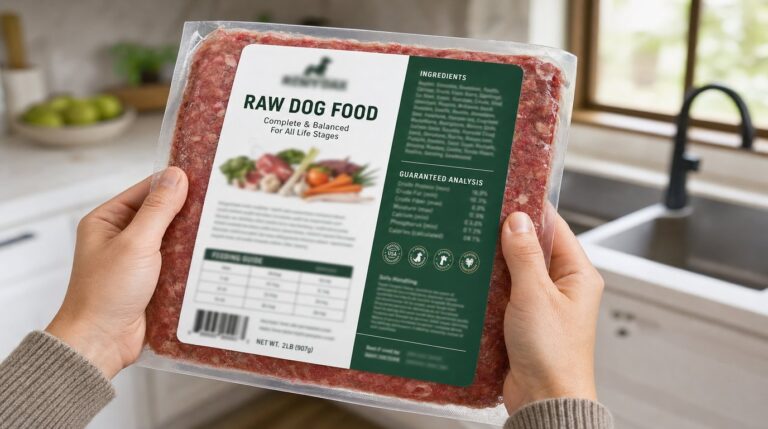
High-street pet retailers — Pets at Home, Jollyes, and independent pet shops — now stock a growing range of frozen raw food from brands such as Natures Menu, Nutriment, Benyfit Natural, and Forthglade. These are typically complete balanced minces formulated to meet FEDIAF nutritional guidelines, making them a reliable and simple option for sourcing raw dog food UK beginners who want to get started without the complexity of sourcing components separately.
The trade-off is cost: at £2.50–£6.00 per kg, pet retailer prices are the highest of any sourcing method. They are best used as a starting point whilst you build your wider sourcing network, or as a backup when your primary sources run low mid-week. Many Pets at Home stores now have dedicated freezer sections with a reasonable range of proteins and portion sizes.
When choosing a commercial complete mince, look for transparent ingredient percentages — the muscle meat %, bone %, and organ % should all be clearly labelled. The PFMA raw pet food guidance explains what responsible labelling looks like. Our BARF vs PMR comparison guide can help you decide which format suits your dog best.
7. Cash-and-Carry and Wholesale Freezer Centres
Wholesale outlets — Costco, Bestway, Booker, and independent cash-and-carry depots — are an underused option for sourcing raw dog food UK owners with large dogs or multi-dog households will appreciate. Whole chickens, bulk packs of chicken drumsticks, large bags of frozen whole fish, and catering-sized packs of chicken hearts and livers are all commonly stocked at wholesale prices: often £0.50–£1.50 per kg — far below supermarket equivalents.
Most cash-and-carry outlets require a business account or trade card, though some (Costco in particular) operate on a paid individual membership model. If you can access them, they’re ideal for stocking up on the staple muscle meats that form the bulk of your dog’s diet — chicken, turkey, and pork — at significant savings. A 10 kg bag of chicken drumsticks at a cash-and-carry is often less than £7; the same weight via a pet food retailer can cost four times that.
These outlets won’t stock secreting organs or unusual proteins, so you’ll still need a specialist source alongside. For advice on avoiding nutritional gaps when mixing sources, see our 10 common raw feeding mistakes guide.
What to Check When Sourcing Raw Dog Food in the UK
Regardless of your chosen source, run through this checklist before buying:
- ✓Clear species labelling — you should know exactly which animal the meat comes from. Avoid products labelled only as “mixed meat mince” with no species breakdown.
- ✓Visible ingredient percentages — for complete minces, the muscle meat %, bone %, and organ % should all be clearly stated on the packaging or product page.
- ✓No added preservatives or binders — raw food should contain only meat, bone, and occasionally fruit and vegetables. No E-numbers, no artificial additives, no fillers.
- ✓Fresh smell on thawing — thawed raw meat should smell clean and species-appropriate. A sour, ammonia-like, or generally off smell indicates spoilage; discard immediately.
- ✓Correct colour — fresh raw meat should be the natural colour of the species. Grey or brown discolouration across the whole piece (not just surface) suggests age or freezer burn.
- ✓Hygienic packaging and storage — online and co-op deliveries should arrive frozen solid in sealed, undamaged packaging. Partially thawed deliveries should be refused or used immediately.
For hygiene best practice, the British Veterinary Association (BVA) recommends standard food-safe hygiene when handling raw meat: dedicated chopping boards, thorough hand washing, and cleaning dog bowls after every meal. The risk from raw meat bacteria is to humans handling the food, not to dogs whose stomach acid is highly effective at neutralising natural bacterial loads.
Frequently Asked Questions
Where is the cheapest place for sourcing raw dog food UK-wide?
Your local butcher and farm direct / abattoir offcuts are almost always the cheapest sources, with costs as low as £0.30–£1.00 per kg for trim, carcasses, and offal. Raw feeding co-ops come a close second, typically undercutting online specialists by 30–50%. For a detailed breakdown of money-saving strategies, see our raw dog food budget guide.
Can I feed my dog meat from a supermarket?
Yes — supermarket chicken, turkey, beef, and pork are perfectly suitable for raw feeding. They’re more expensive per kg than butcher offcuts, but they’re convenient for mid-week variety, especially reduced-price items near their sell-by date. Always avoid anything with added seasoning, brine, marinades, or injected water, which is common in budget chicken products.
How much freezer space do I need for sourcing raw dog food UK in bulk?
A medium chest freezer (150–200 litres) comfortably holds a month’s supply for a 20–25 kg dog. If you’re buying co-op or farm-direct batches of 10–20 kg at a time, a dedicated chest freezer is close to essential — and they can be purchased new in the UK for as little as £100–£150. Our guide to how much raw food your dog needs will help you calculate your weekly quantities before you start buying.
Is sourcing raw dog food in the UK legal and safe?
Completely. Feeding raw food to dogs is legal and widely practised across the UK, with an estimated 10–15% of UK dog owners now feeding some form of raw diet. The Food Standards Agency (FSA) regulates commercial raw pet food producers, and the same food hygiene practices that apply to human raw meat apply when handling raw dog food at home.
What is the best way to start sourcing raw dog food UK if I am completely new to raw feeding?
Start with a reputable online raw specialist — they offer clearly labelled complete minces that take the complexity out of balancing ratios. Once you understand what a balanced diet looks like in practice, gradually add your local butcher as a cheaper source for muscle meat. When you’re confident, explore a co-op or farm direct option for significant bulk savings. Our transition to raw food guide walks you through the first weeks step by step.
The Bottom Line
Sourcing raw dog food UK-wide is genuinely accessible at every budget, from local butchers offering offcuts at under £1 per kg to convenient online delivery services for complete, balanced raw minces. The smartest approach is to combine two or three sources: a butcher or co-op for affordable bulk muscle meat, an online specialist for organ variety and complete meals, and a supermarket or ethnic food shop for mid-week protein rotation. The more variety you build into your raw dog food sourcing strategy, the more nutritionally complete your dog’s diet will be — without relying solely on premium-priced commercial brands. Use our free raw dog food calculator to plan quantities before your first order.
Work Out Exactly How Much to Buy
Use our free UK raw dog food calculator to get a precise weekly quantity for your dog based on their weight, age, and activity level — so you know exactly how much to order from each of your sources.
Try Our Free Calculator