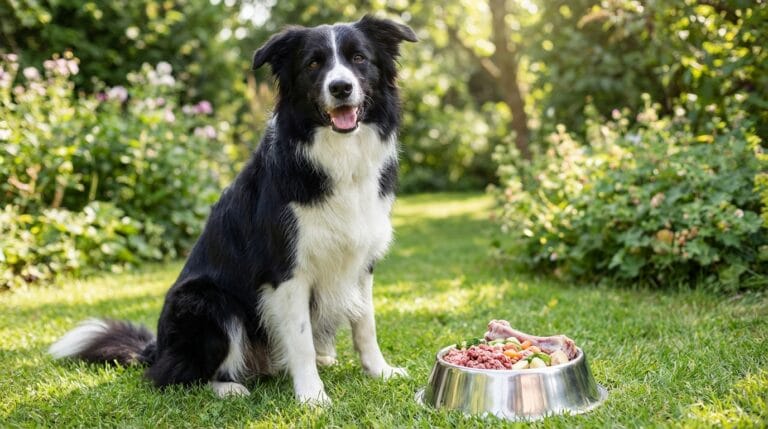
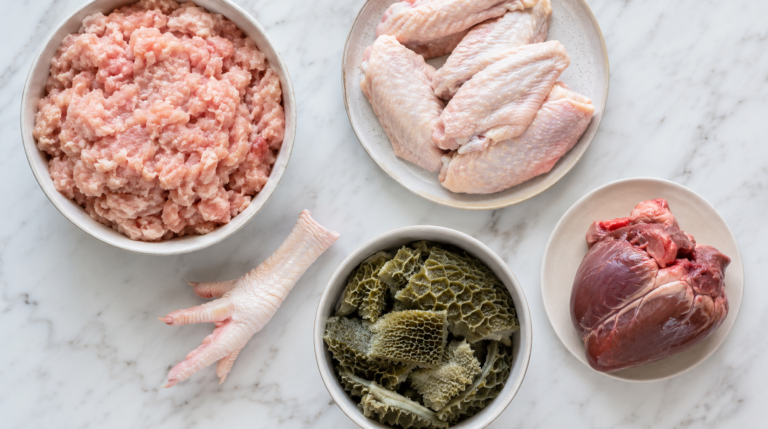
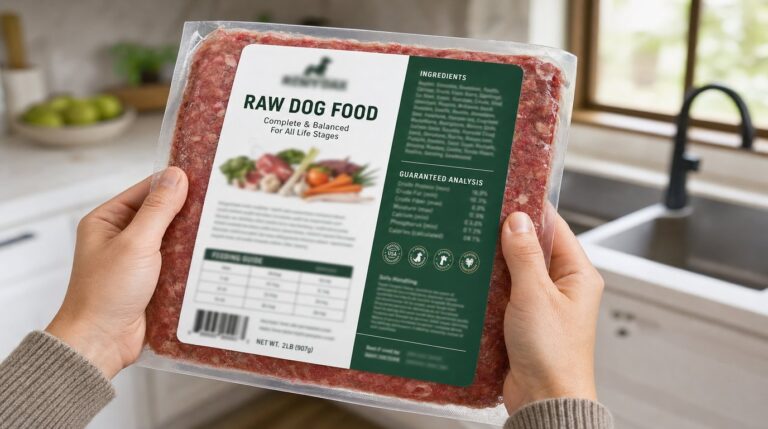
Switching to Raw Dog Food in Winter UK 2026: A Practical Guide
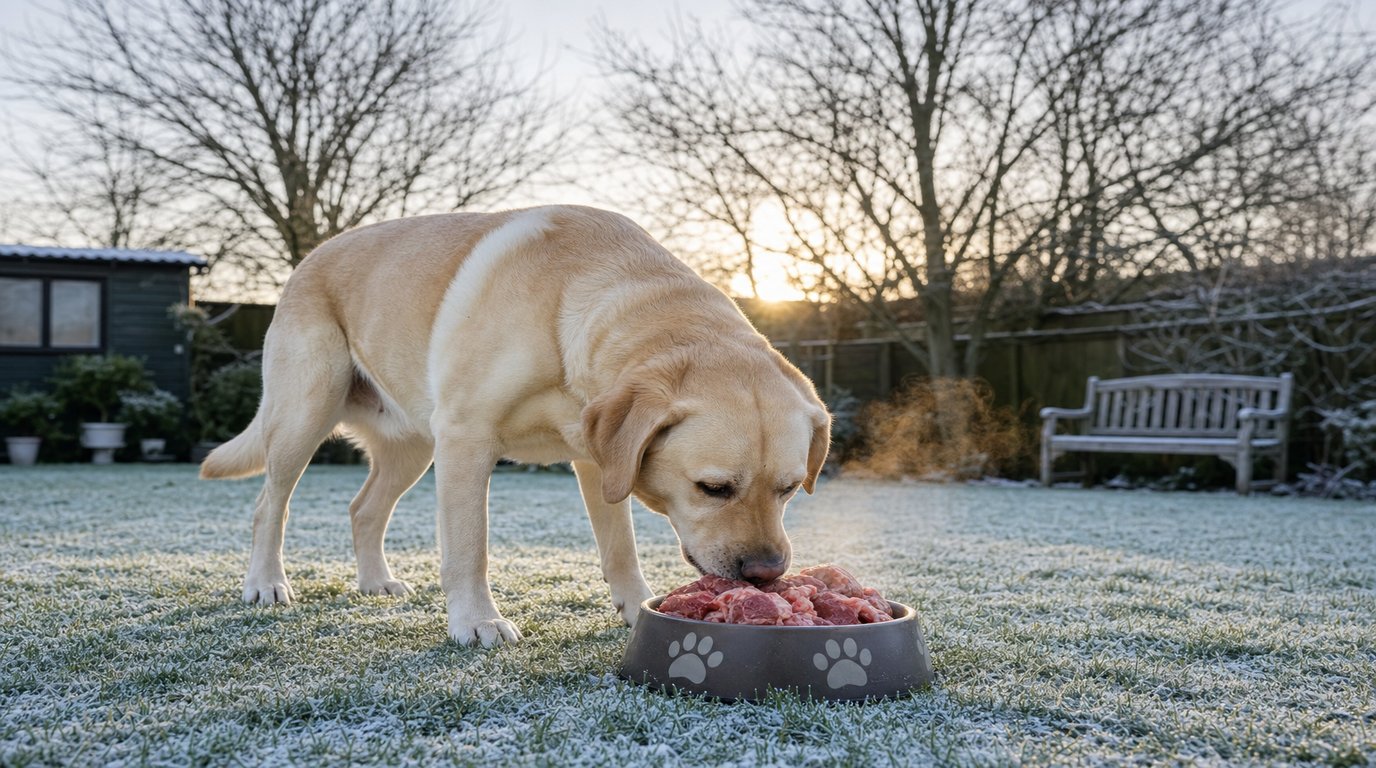
Switching to raw dog food in winter is a decision many UK owners make as the new year begins and they look for ways to improve their dog’s coat, energy and overall condition. Winter can actually be one of the better times to make the change: cooler temperatures make handling and storing raw food easier, and the seasonal boost in appetite gives you room to fine-tune portions. But switching to raw dog food in winter also brings a few cold-weather considerations that a summer switch does not. This 2026 guide walks you through the whole process step by step.
Done properly, the change is smooth and low-stress for both you and your dog. Done in a rush, it can lead to loose stools and a fussy eater. The difference comes down to a gradual, well-planned transition — so let’s get the approach right from the start.
It also helps to know what to expect in the first couple of weeks. Smaller, firmer stools are normal and a good sign that the dog is absorbing more of its food. A short settling-in period is common, and none of it should alarm you if the transition has been done carefully.
Why Consider Switching to raw dog food in winter?
There are practical reasons the cold season appeals to UK owners making this change. Winter places extra demands on a dog’s body — maintaining warmth burns energy, and a well-formulated raw diet delivers dense, highly digestible nutrition that supports condition, coat and immune function through the harder months.
Common motivations include:
- •A shinier, denser winter coat from natural fats and oily fish
- •Steadier energy for cold-weather walks and activity
- •Better hydration than dry kibble, which matters in centrally heated homes
- •Easier, cooler handling and storage of raw food in winter temperatures
For all these reasons, the timing can be a sensible, well-timed one — provided the transition is managed carefully.
How to Transition When Switching to raw dog food in winter
The safest method for switching to raw dog food in winter depends on your dog. Two approaches work well, and the right one depends on your dog’s digestion.
The Gradual Transition
For dogs with sensitive stomachs, transition over 7 to 10 days by slowly replacing kibble with raw. Start with roughly a quarter raw to three-quarters old food, then move to half and half, then three-quarters raw, and finally fully raw. This gentle ramp gives the gut microbiome time to adapt and is the lower-risk route in the colder months.
The Clean Switch
Many raw feeders recommend a clean switch — fasting for one evening meal, then starting fresh on a single, easily digested protein such as chicken or turkey the next day. This suits dogs with robust digestion. Introduce one new protein at a time over the following weeks so you can spot any that do not agree with your dog.
Whichever method you use, start with a single protein and only add variety once stools are firm and settled.
Getting portions right is the foundation of switching to raw dog food in winter. Use our free calculator to work out your dog’s ideal daily raw feeding amount based on weight, age and activity level before you begin the transition.
Try Our Free CalculatorCold-Weather Portions When Switching to raw dog food in winter
One of the key differences when switching to raw dog food in winter rather than in summer is portion size. Cold weather and increased activity often raise energy needs, so a dog may need slightly more food than in summer to hold its condition — particularly active, outdoor and working dogs.
Practical winter portion tips:
- •Start from the standard 2–3% of bodyweight, then nudge upward if your dog loses condition in the cold
- •Active and outdoor dogs may need the higher end of the range or slightly above during hard frosts
- •Serve raw food at room temperature, not fridge-cold, so it is easier to digest and more appealing
- •Monitor body condition weekly and adjust — you should feel ribs easily but not see them
Remember to bring portions back down as spring arrives, so the extra cold-weather feeding does not turn into year-round weight gain.
Storage and Handling for Switching to raw dog food in winter
Winter makes storage easier but does not remove the need for good hygiene. Defrost portions in the fridge overnight rather than at room temperature, keep raw food separate from human food, and clean bowls and surfaces thoroughly after every meal. The PDSA advice on feeding a raw diet sets out sensible hygiene and defrosting practices worth following.
Never refreeze fully thawed raw food, and do not leave defrosted raw food out for long periods even in a cold kitchen. Sensible batch-defrosting a day ahead keeps the routine simple through the winter.
Frequently Asked Questions About Switching to raw dog food in winter
Is switching to raw dog food in winter harder than in summer?
Not really — in many ways it is easier. Cooler temperatures make handling and storing raw food more forgiving, and dogs’ natural winter appetite can help them take to the new diet. The main difference when switching to raw dog food in winter is that you may need slightly larger portions to support warmth and activity in the cold.
Should I serve raw food cold when switching to raw dog food in winter?
No. Serve raw food at room temperature rather than straight from the fridge. Cold food is less appealing and slightly harder to digest, which is the last thing you want during a transition. Take the portion out ahead of time, or briefly stand the container in warm water, so it reaches room temperature before serving.
How long does switching to raw dog food in winter take?
For a gradual transition, plan on 7 to 10 days to move fully from kibble to raw. Dogs with robust digestion can often manage a faster clean switch over a day or two. Either way, expect a few weeks before you introduce a full rotation of proteins, and always let stools settle before adding anything new.
Bottom Line
Switching to raw dog food in winter is a well-timed, manageable change for UK owners in 2026. Transition gradually or with a clean switch depending on your dog, start on a single protein, serve food at room temperature, and increase portions modestly to cover the extra energy cold weather demands. Keep storage hygienic, watch body condition weekly, and ease portions back as spring returns.