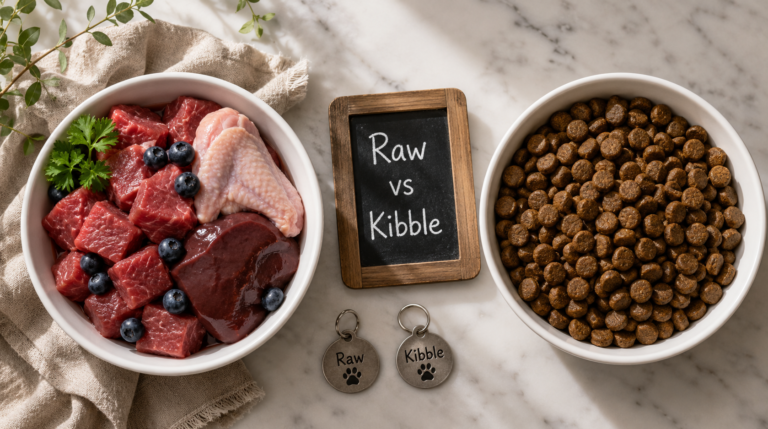
Raw Dog Food and Allergies: What UK Owners Need to Know
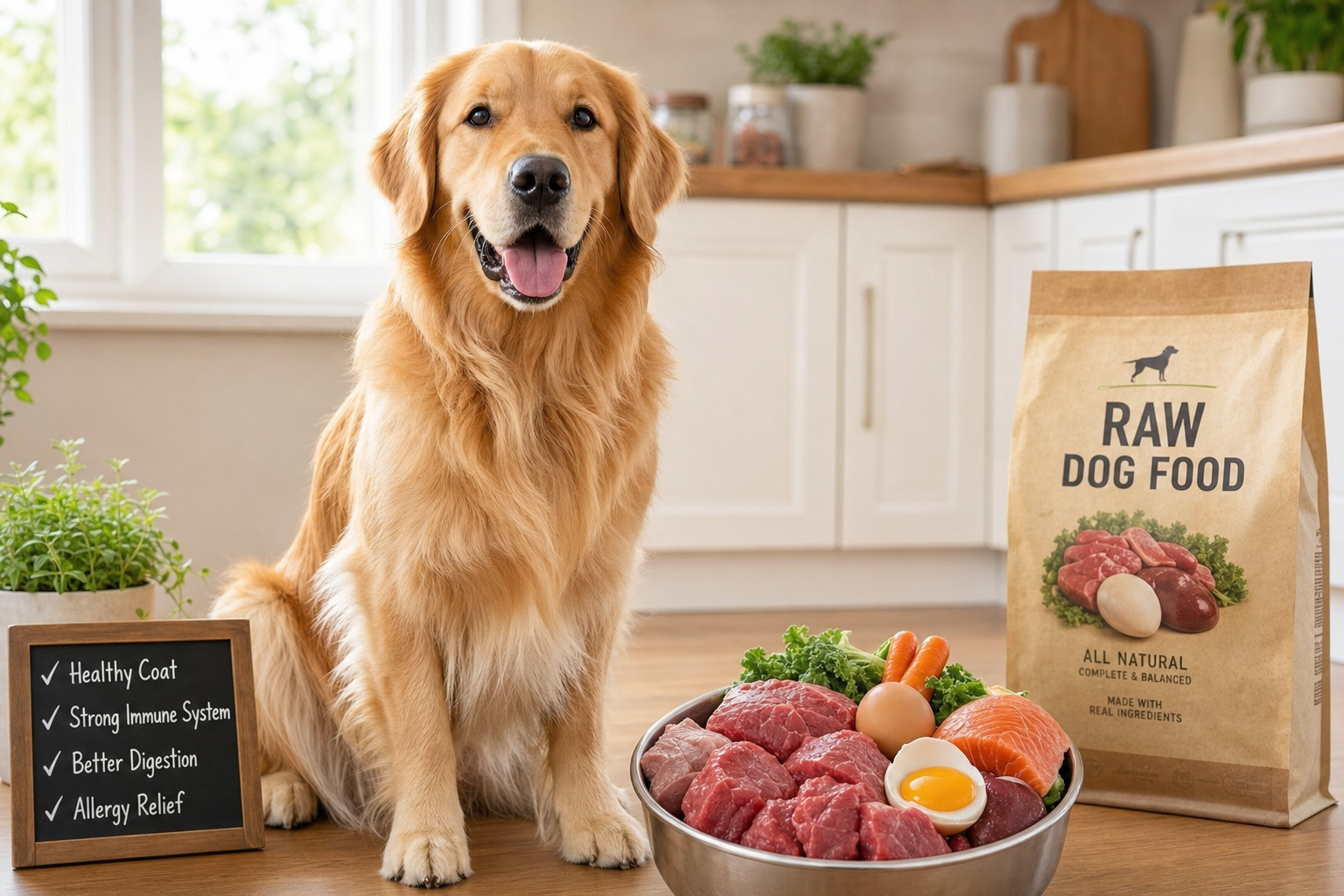
If your dog is scratching constantly, suffering from recurring ear infections, or struggling with an upset stomach, food allergies could be the culprit — and the relationship between raw dog food and allergies is something more UK owners are exploring every year. While no single diet is a magic cure, understanding what triggers allergic reactions and how raw feeding differs from conventional dog food can help you make a far more informed decision for your dog’s health. The link between raw dog food and allergies often becomes clearer once owners start comparing ingredient lists side by side.
Signs Your Dog May Have a Food Allergy
Food allergies and intolerances in dogs are frequently mistaken for environmental issues or general “sensitive skin.” The symptoms can be subtle at first, but tend to become more persistent over time. When discussing raw dog food and allergies, it helps to first recognise the warning signs that a dietary trigger may be at play. Owners who have already started researching raw dog food and allergies often notice their dog displays several of these symptoms simultaneously. Common signs to watch for include:
- •Itchy skin — particularly around the paws, ears, groin, and armpits; dogs may chew or lick these areas obsessively
- •Recurring ear infections — yeasty or bacterial infections that keep coming back despite treatment
- •Gastrointestinal upset — loose stools, excessive wind, vomiting, or unpredictable bowel habits
- •Red or inflamed skin — hot spots, rashes, or chronic skin infections (pyoderma)
- •Facial rubbing — dragging the face along the carpet or furniture to relieve irritation
- •Poor coat condition — dull, greasy, or thinning fur despite regular grooming
It’s worth noting that true food allergies involve an immune response, while food intolerances do not — both can produce similar symptoms, and both are worth addressing through dietary change. Many owners concerned about raw dog food and allergies find that even intolerances respond well to a simpler, whole-food diet.
Raw Dog Food and Allergies: Understanding Common Allergens
The vast majority of canine food allergies are triggered by proteins — specifically proteins the dog’s immune system has been repeatedly exposed to. Many commercial kibbles and wet foods contain a long list of ingredients, making it genuinely difficult to identify what’s causing the reaction. Heavily processed foods also contain additives, preservatives, and artificial flavourings that can exacerbate sensitivities. Raw dog food and allergies research consistently points to ingredient simplicity as one of the most effective ways to reduce a dog’s allergen exposure. For this reason, raw dog food and allergies are increasingly discussed together in the same breath by canine health professionals across the UK.
The most frequently reported allergens in UK dogs include beef, dairy, wheat, chicken, lamb, soya, and eggs. Interestingly, many of these appear as cheap bulking ingredients in mainstream commercial foods — sometimes without clear labelling. Raw dog food, by contrast, typically uses single-source proteins with minimal added ingredients, giving owners far greater transparency over what their dog is actually eating. Understanding raw dog food and allergies can help you pinpoint exactly which proteins to avoid and which novel sources to introduce.
| Allergen / Ingredient | Typical Kibble / Wet Food | Quality Raw Dog Food |
|---|---|---|
| Wheat / Cereals | Often present as primary filler | Not included (grain-free by nature) |
| Soya | Common in economy ranges | Not typically included |
| Artificial additives | Preservatives, colourings, flavour enhancers | None — whole food ingredients only |
| Dairy | Present in some wet foods and treats | Not included in standard raw meals |
| Beef | Common protein source; often blended/unnamed | Available as single-protein option; clearly labelled |
| Chicken | Very common; used in most standard kibbles | Available separately; easy to exclude if needed |
| Mystery “meat derivatives” | Frequently listed; source unspecified | Not applicable — raw uses named meat sources |
How Raw Feeding Can Help Reduce Allergic Reactions
The connection between a raw diet and canine allergies has gained increasing attention among vets and canine nutritionists. The relationship between raw dog food and allergies often surprises owners who have struggled for years with commercial diets. Raw dog food and allergies specialists frequently highlight the same core benefits of switching to a whole-food, minimally processed diet. There are several reasons why raw feeding may benefit allergy-prone dogs:
- •Fewer ingredients — a basic raw meal might contain just minced meat, bone, and offal. Fewer ingredients mean fewer potential triggers.
- •No artificial additives — preservatives such as BHA, BHT, and ethoxyquin found in some commercial foods have been linked to inflammatory responses. Raw food requires none of these.
- •Grain-free by default — since wheat and other cereals are among the most common canine allergens, removing them entirely (as raw diets do) is a meaningful dietary change for many sensitive dogs.
- •Improved gut microbiome — emerging research suggests that biologically appropriate, minimally processed diets can support a healthier gut lining and microbial balance, which plays a central role in immune regulation.
- •Novel protein access — raw feeding makes it easy to rotate proteins or try genuinely novel meats (venison, kangaroo, ostrich) that your dog’s immune system has never encountered.
Many UK owners report significant improvements in skin condition, coat quality, and digestive health after transitioning their allergic dog to a raw diet — though individual results will always vary. Raw dog food and allergies go hand in hand for many of these owners, with the dietary switch proving to be the turning point in their dog’s recovery.
The Elimination Diet Approach with Raw Food
If you suspect your dog has a food allergy, the gold standard for identifying the trigger is a strict elimination diet — and raw feeding is particularly well-suited to this process. Addressing raw dog food and allergies through an elimination diet is widely regarded as the most reliable way to pinpoint specific triggers. The controlled nature of raw feeding makes it uniquely suited to this approach — a fact that is central to why raw dog food and allergies management go together so naturally.
The basic approach works as follows:
- 1.Choose a novel protein your dog has never eaten before — venison, rabbit, or duck are popular starting points in the UK. Pair it with a single carbohydrate source if needed (sweet potato is a common choice).
- 2.Feed this combination exclusively for 8–12 weeks. This gives the immune system time to settle and symptoms to resolve. No treats, chews, or flavoured supplements during this period.
- 3.Reintroduce ingredients one at a time — after the trial period, add a new protein or ingredient every 2 weeks and monitor for any return of symptoms.
- 4.Log everything — keep a simple diary of what your dog eats and any symptoms observed. This makes it much easier to spot patterns.
Raw food’s transparency and single-ingredient flexibility makes it far easier to run a proper elimination trial than with commercial foods, where ingredient lists often run to 30 or more items. Many UK owners exploring raw dog food and allergies find that the elimination process becomes far more straightforward once they switch to a diet with a handful of clearly labelled ingredients. If you are new to raw dog food and allergies management, starting with a single novel protein is widely considered the safest and most effective approach.
What to Watch Out For
Raw feeding offers real potential for allergy-prone dogs, but there are some important considerations to keep in mind. Owners exploring raw dog food and allergies should approach the transition thoughtfully to avoid common pitfalls:
- •Nutritional completeness — a raw diet must be nutritionally balanced to avoid deficiencies over time. Look for foods that meet FEDIAF guidelines or work with a canine nutritionist to formulate homemade meals correctly.
- •Hygiene and handling — raw meat carries bacteria such as Salmonella and Campylobacter. Use separate utensils and boards, wash hands thoroughly, and store and defrost correctly. This is especially important in households with young children or immunocompromised individuals.
- •Transition symptoms — some dogs experience a temporary period of loose stools or detox-like symptoms when switching to raw. This is usually short-lived but worth monitoring.
- •Not all raw foods are equal — choose reputable UK suppliers who clearly label their products with named meat sources, percentage breakdowns, and comply with DEFRA regulations.
- •Allergies to raw proteins are possible — if your dog is already sensitised to chicken, for example, switching to raw chicken won’t help. The key is choosing proteins your dog hasn’t been exposed to before.
Raw dog food and allergies is a topic where individual variation matters enormously. What works well for one dog may not suit another, so patience and careful observation are essential throughout the process. Consulting a canine nutritionist who understands raw dog food and allergies can help you avoid common mistakes and ensure your dog’s diet remains complete and balanced.
When to See a Vet
Dietary change can make a meaningful difference for many dogs with food sensitivities, but it’s important to rule out other causes and ensure your dog gets proper professional support. Owners managing raw dog food and allergies should always involve a vet to rule out environmental triggers and confirm that the diet is being balanced correctly. You should consult your vet if:
- •Symptoms are severe, rapidly worsening, or include swelling, breathing difficulties, or collapse — these may indicate a serious allergic reaction requiring immediate treatment
- •Your dog has not improved after 8–12 weeks on a strict elimination diet
- •You’re unsure whether symptoms are food-related or environmental (pollen, dust mites, mould, and flea bites are also common triggers in the UK)
- •Your dog is losing weight, lethargic, or showing signs of nutritional deficiency during the dietary trial
- •You’d like allergy testing — intradermal skin testing or serology tests can help confirm specific triggers, though their accuracy for food allergens is debated within the veterinary community
Research from the Royal Veterinary College shows that food sensitivities are among the most common reasons owners switch to raw feeding. A vet who is open to raw feeding — or an RCVS-registered veterinary nutritionist — can be an invaluable partner in designing and monitoring an elimination trial safely. When raw dog food and allergies are both on the agenda, a specialist nutritionist can help you design a plan that is both effective and nutritionally sound.
Frequently Asked Questions
Can raw dog food and allergies really be connected?
Yes — the connection between raw dog food and allergies is well documented among UK raw feeders. Many dogs that suffer from chronic itching, ear infections and digestive upsets on commercial kibble show clear improvement within 8–12 weeks of switching to a single-protein raw diet. The absence of additives, grains and artificial preservatives is often the key factor.
How long does a raw food elimination diet take?
A proper raw food elimination diet takes a minimum of 8 weeks. During this time feed a single novel protein your dog has never eaten before (e.g. venison or duck) with no other food, treats or flavoured supplements. Only introduce a second protein once the 8-week baseline period is complete. Raw dog food and allergies experts generally agree that rushing this process reduces the reliability of the results.
What are the most common food allergens in commercial dog food?
The most common allergens in commercial dog food are beef, dairy, wheat, chicken, egg and soy — largely because these are the most frequently used ingredients. Beef and dairy top most studies. Switching to a raw diet with a novel protein like rabbit, venison or goat can bypass these triggers entirely. Raw dog food and allergies studies suggest that novel-protein raw diets are among the most effective starting points for an elimination trial.
Raw Dog Food and Allergies: The Bottom Line
The link between raw feeding and canine allergies is real and compelling. For many UK dogs suffering from chronic itching, poor digestion, or recurring infections, switching to a carefully chosen raw diet can significantly reduce the allergen load they face every day. The simplicity of raw ingredients, the absence of artificial additives and fillers, and the ability to easily run an elimination trial make raw feeding a genuinely useful tool in managing canine food allergies. Raw dog food and allergies research continues to grow, with more vets acknowledging the dietary connection than ever before.
That said, raw feeding is not a guaranteed cure, and it requires commitment — to nutritional completeness, safe food handling, and patience through the elimination process. Work with your vet, choose a reputable UK supplier, and give the diet sufficient time to show results. For many dogs and their owners, the improvement in quality of life makes it entirely worthwhile. The evidence around raw dog food and allergies continues to grow, and UK owners who take a structured, informed approach consistently report the best outcomes.
Switching to Raw? Start Here
Use our free raw dog food calculator to get the right portion size for your dog’s weight, age and activity level — the first step to a healthier diet.
Try Our Free Calculator