Raw Dog Food for Small Breeds: The Complete UK Guide
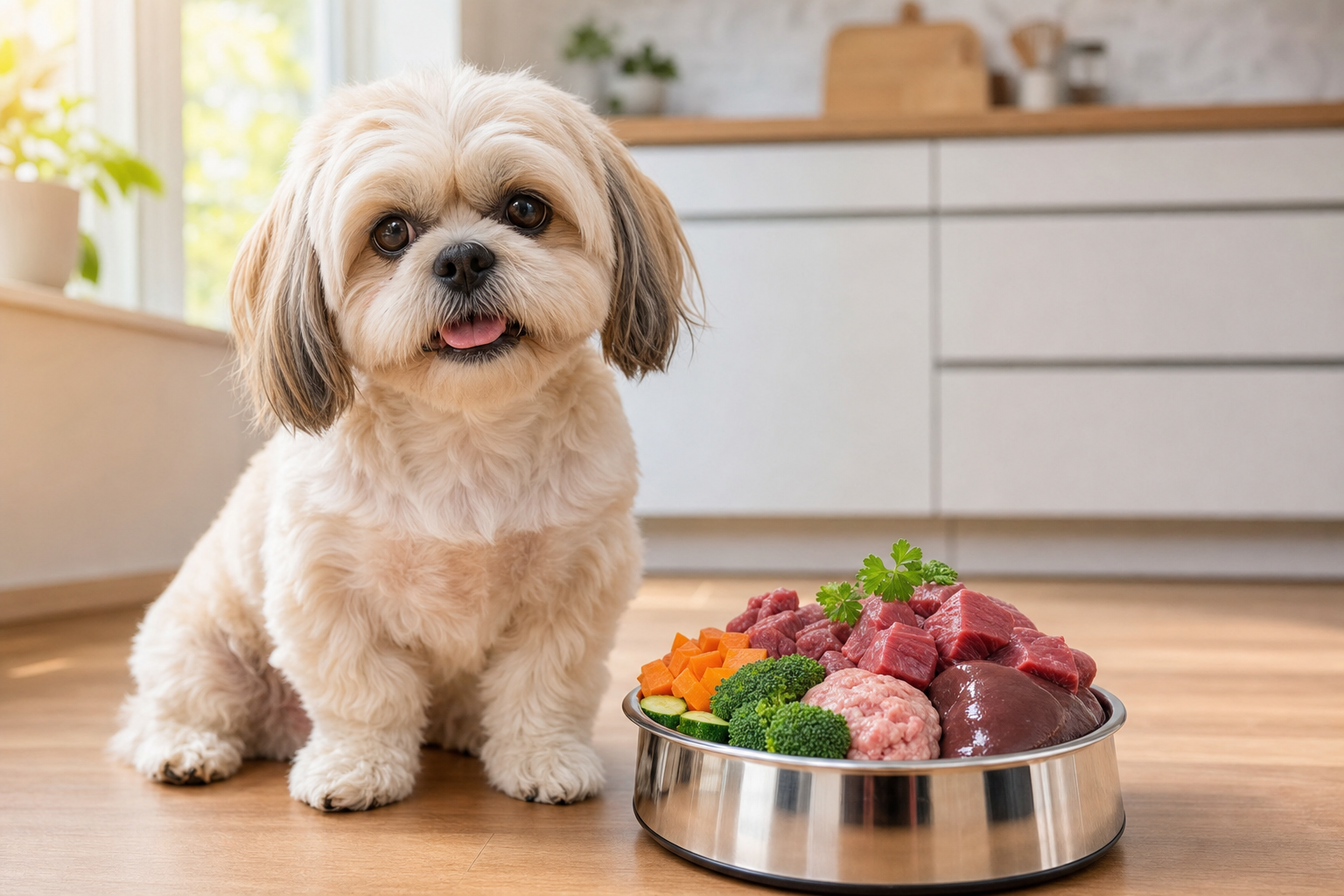
If you share your home with a Chihuahua, Dachshund, Pomeranian, or any other compact companion, you already know that small dogs come with big personalities — and surprisingly specific nutritional needs.
Switching to raw dog food for small breeds is one of the most impactful changes you can make for your dog’s long-term health. This guide covers everything UK owners need to know: why small breeds are different, exactly how much to feed, what to include in a balanced diet, and the pitfalls to sidestep along the way.
Whether you have a Chihuahua, a Miniature Schnauzer, or a Yorkshire Terrier, this guide gives you everything you need to make confident, informed decisions about your dog’s raw diet. You will find a portion size table, diet composition guidance, tips for fussy eaters, and the most common mistakes to avoid — all based on current nutritional understanding and the experience of thousands of UK raw feeders.
Raw dog food for small breeds has grown significantly in popularity among UK owners over the past decade, and it is easy to understand why. When you see the results — cleaner teeth, a glossier coat, and more settled digestion — the switch quickly feels like an obvious one. Raw dog food for small breeds is now stocked by dozens of UK producers, making it easier than ever to source high-quality options at competitive prices.
Why Small Breeds Have Unique Nutritional Needs
Small dogs are not simply scaled-down versions of large breeds. Their physiology differs in several important ways that directly affect how they should be fed. As noted by Dogs Trust, small dogs have proportionally higher energy requirements than larger breeds — understanding these differences is the first step to getting their diet right. Choosing raw dog food for small breeds addresses many of these differences directly, because a fresh, minimally processed diet delivers nutrients in the form their bodies are designed to absorb.
- •Higher metabolic rate: Smaller dogs burn calories faster relative to their body weight. A Chihuahua needs significantly more energy per kilogram than a Labrador or German Shepherd, which means their diet must be calorie-dense and highly digestible. Raw dog food for small breeds meets this need by delivering nutrients in their most bioavailable form.
- •Smaller stomachs, higher frequency: A Toy Poodle’s stomach holds far less than a large breed’s. Two or even three small meals per day can prevent hypoglycaemia — a genuine risk for very small and young dogs, particularly in the early weeks of life.
- •Dental structure: Many small breeds are prone to tartar build-up and periodontal disease. The act of tearing and chewing raw meat and raw meaty bones provides natural mechanical cleaning that processed kibble simply cannot replicate. This is one of the most cited reasons owners choose raw dog food for small breeds over conventional alternatives.
- •Sensitive digestion: Small breeds often have more reactive digestive systems. A biologically appropriate raw diet can reduce loose stools, bloating, and the chronic gut irritation that highly processed pet food sometimes causes.
- •Longer lifespan: Small dogs typically live 12–18 years. The cumulative benefit of feeding a high-quality, minimally processed diet compounds over a much longer time than it does for larger breeds, making early investment in good nutrition especially worthwhile. Sourcing raw dog food for small breeds from a reputable UK supplier from the start sets your dog up for a healthier life across all those extra years.
For all these reasons, choosing a species-appropriate diet — one built around raw meat, edible bone, and organs — is particularly well suited to the small breed body. When chosen and prepared correctly, raw dog food for small breeds provides exactly the nutrient density and digestibility these dogs need.
How Much Raw Dog Food for Small Breeds Should You Feed?
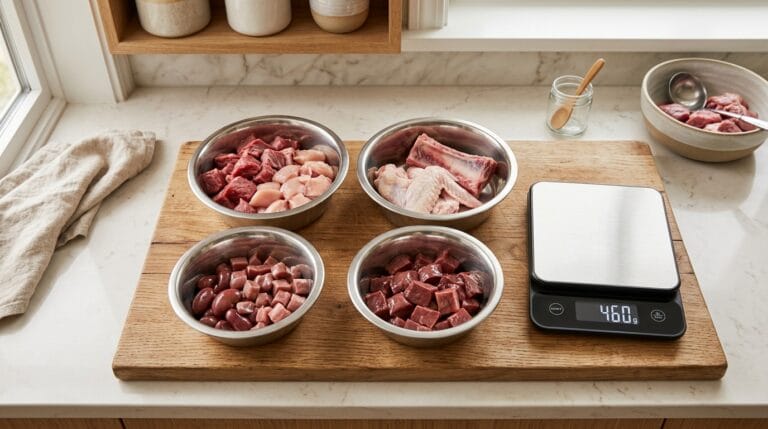
The standard starting point for adult dogs is 2–3% of their ideal body weight per day. Because small breeds have a faster metabolism, most will sit closer to 3% — or even slightly above for very active or underweight dogs. Puppies typically need 5–8% of their current body weight daily, split across three to four meals. When you start feeding raw dog food for small breeds, weighing every portion on kitchen scales for the first few weeks removes guesswork and helps you establish a reliable baseline.
Use the table below as a practical starting point, then adjust based on your dog’s body condition score. You should be able to feel the ribs easily but not see them prominently. If your dog is gaining unwanted weight, reduce daily portions by 10%; if they look lean or have high energy demands, increase accordingly. The portion sizes for raw dog food for small breeds differ noticeably from those used for medium or large breeds, so always calculate from your individual dog’s weight rather than using generic guidelines.
| Dog Weight | Daily Amount @ 2% | Daily Amount @ 2.5% | Daily Amount @ 3% |
|---|---|---|---|
| 1 kg (e.g. Chihuahua) | 20 g | 25 g | 30 g |
| 2 kg (e.g. Toy Poodle) | 40 g | 50 g | 60 g |
| 4 kg (e.g. Pomeranian) | 80 g | 100 g | 120 g |
| 6 kg (e.g. Shih Tzu) | 120 g | 150 g | 180 g |
| 8 kg (e.g. Miniature Dachshund) | 160 g | 200 g | 240 g |
| 10 kg (e.g. West Highland Terrier) | 200 g | 250 g | 300 g |
| 12 kg (e.g. Bichon Frise) | 240 g | 300 g | 360 g |
Split the daily amount across two meals for most small breeds. For dogs under 2 kg or prone to blood sugar dips, consider three smaller meals throughout the day.
What to Include in Raw Dog Food for Small Breeds
A balanced raw diet follows the 80/10/10 model as a foundation: approximately 80% muscle meat, 10% raw edible bone, and 10% organ meat (of which half should be liver). Many UK raw feeders also add a small portion of vegetables, fruit, and oily fish for additional micronutrients. Whether you build meals from scratch or buy pre-made complete mince, the components below apply equally to any raw dog food for small breeds. Here is how each component contributes:
- •Muscle meat (80%): Chicken thigh, turkey mince, beef, lamb, pork, and venison are all excellent choices. Rotate proteins regularly to ensure a broad amino acid and micronutrient profile. Variety is one of the most important principles in long-term raw feeding. When choosing raw dog food for small breeds, rotating between at least three or four proteins each month helps to cover the full spectrum of essential amino acids and trace minerals.
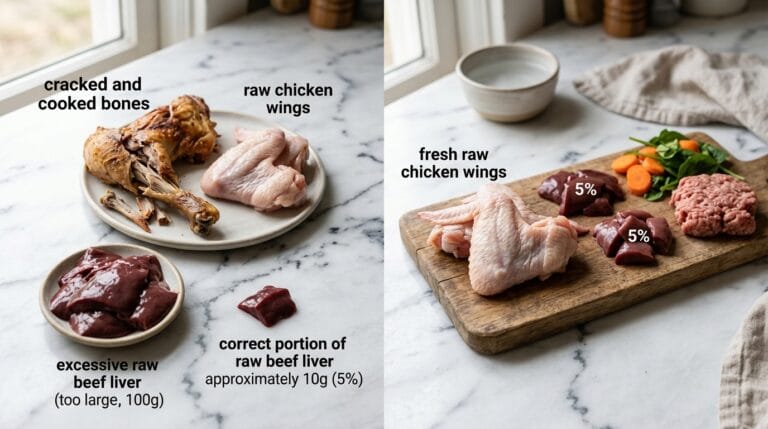
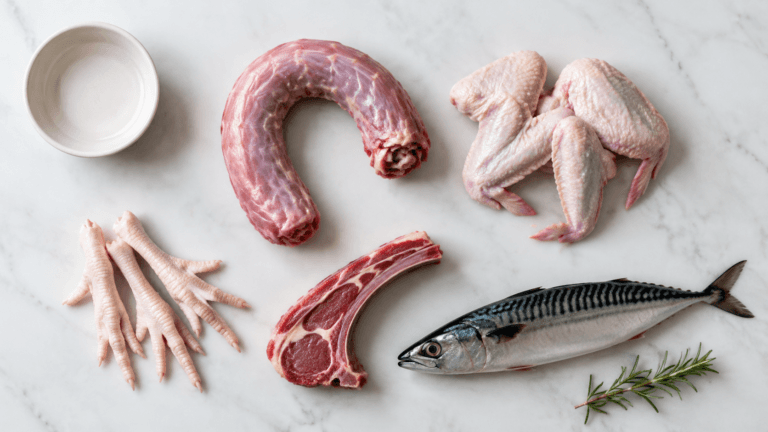
- •Raw edible bone (10%): For small breeds, chicken wings, chicken necks, and rabbit ribs are perfectly proportioned. Bone provides calcium, phosphorus, and the dental benefits that make raw feeding stand apart from any processed alternative. Always feed raw — never cooked bones, which splinter and become dangerous. One advantage of raw dog food for small breeds is that appropriately sized bones are widely available from UK suppliers at very reasonable cost.
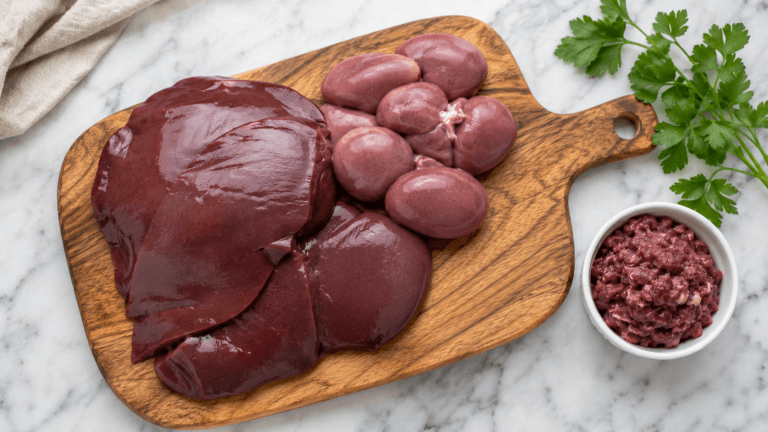
- •Organ meat (10%): Liver is the nutritional powerhouse of the raw diet, rich in vitamins A and B12, iron, and folate. Supplement with kidney, spleen, and other secreting organs where possible. Introduce liver in small quantities — feeding too much too fast causes loose stools and puts new owners off the diet entirely.
- •Oily fish (1–2 times weekly): Sardines, mackerel, or sprats provide omega-3 fatty acids that support skin, coat, and joint health — particularly valuable for small breeds prone to luxating patellas and seasonal skin sensitivities.
- •Vegetables and fruit (optional, up to 10%): Blended or lightly cooked vegetables such as broccoli, kale, courgette, and blueberries can add antioxidants and fibre. These are supplementary rather than essential, and many experienced raw feeders choose to omit them altogether.
If you are using a pre-made complete raw mince from a reputable UK supplier, these ratios should already be balanced for you. Always check the product label to confirm “complete” status before using a product as the sole basis of your dog’s diet. The best raw dog food for small breeds should contain clearly listed ingredient ratios and carry PFMA or APHA-registered production credentials.
Common Mistakes Small Breed Owners Make
Even experienced raw feeders can fall into traps that are especially relevant for compact dogs. Owners new to raw dog food for small breeds are particularly susceptible to the mistakes below, so it is worth reading through them before you begin. Watch out for these common pitfalls when feeding raw dog food for small breeds:
- •Overfeeding: Because small breed portion sizes look tiny compared to what owners are used to, many second-guess themselves and add more. Obesity is one of the leading preventable health problems in small dogs. Weigh portions with kitchen scales, at least until you have a reliable eye for the right amount.
- •Too much liver too soon: Introducing organ meat too quickly causes loose stools and can discourage owners from continuing. Start with just 5% organ for the first couple of weeks and build up gradually over the following fortnight. Owners new to raw dog food for small breeds often make this mistake because they are keen to offer the full nutritional range straight away — patience pays off here.
- •Using inappropriately sized bones: A large beef marrow bone is not suitable for a Chihuahua — it poses a choking hazard and can crack fragile teeth. Match the size and hardness of bones carefully to your dog’s jaw and chewing strength.
- •Feeding a single protein source: Relying on one protein month after month leads to nutritional gaps over time. Aim to rotate across at least three or four different proteins within any given month.
- •Ignoring calcium-phosphorus balance: Feeding muscle meat alone without bone or a calcium supplement creates a dangerous imbalance that undermines bone density, especially in growing puppies and senior dogs. Always include raw edible bone or a balanced bone meal supplement if feeding boneless mince. This balance is especially critical in raw dog food for small breeds, where tiny body sizes leave even less margin for prolonged mineral deficiencies.
Tips for Fussy Small Breed Eaters
Small dogs — particularly toy breeds — have a reputation for being selective eaters. Some of this is genuine preference; much of it is learned behaviour reinforced by owners offering alternatives whenever food is refused. Transitioning to raw dog food for small breeds can take a little patience, but the strategies below make the process much smoother. Here is how to navigate the transition successfully:
- •Start with a familiar protein: If your dog has been eating chicken-based kibble, begin the raw transition with chicken mince. The familiar flavour lowers the barrier to acceptance and makes the change less daunting for your dog.
- •Serve food slightly warm: Raw food straight from the fridge can be unappealing. Place the portion in a bowl of warm water for a few minutes to bring it to roughly body temperature — this also releases aroma, which is the primary driver of appetite in dogs. Many owners feeding raw dog food for small breeds find that this single step resolves reluctance almost immediately.
- •Avoid free-feeding: Leave food down for 20 minutes, then remove it. This builds a healthy association between mealtimes and eating promptly, and prevents food from sitting out and oxidising. A slightly hungry dog is always a more receptive one.
- •Use a high-value topper sparingly: A small amount of green tripe, raw egg yolk, or a drizzle of sardine oil can entice reluctant eaters. Use these as a short-term bridge, not a permanent fixture — you want the raw meal itself to become the reward.
- •Be consistent and patient: Most dogs, including notoriously picky toy breeds, adapt within two to three weeks when the owner stays calm and consistent. One missed meal will not harm a healthy adult dog — avoid reverting to the old food after a refusal, or you will train the behaviour in permanently.
If your dog continues to refuse raw food after several weeks of consistent effort, consider speaking to a veterinary nutritionist familiar with raw feeding. There may be an underlying health issue affecting appetite or palatability preference that is worth investigating. In the meantime, trying a different protein source — such as switching from chicken to turkey or lamb — can sometimes make raw dog food for small breeds far more appealing to stubborn eaters.
Handling and Food Safety
Raw meat carries bacteria such as Salmonella and Campylobacter. Sensible hygiene practice protects your household without making raw feeding complicated. Wash hands, surfaces, and utensils with hot soapy water after handling raw food. These precautions apply to all raw pet food, but handling raw dog food for small breeds is no more complicated than preparing any other fresh food at home.
Use a dedicated feeding bowl that is washed after every single meal, and always defrost portions in the fridge overnight rather than at room temperature. Most reputable UK raw dog food suppliers freeze their products fresh, which significantly reduces bacterial load before feeding. Owners sourcing raw dog food for small breeds should always defrost only one day’s portion at a time and never refreeze thawed meat. If anyone in your household is immunocompromised, speak with your GP before introducing raw feeding. It is also worth noting that dogs have a highly acidic digestive environment that handles raw bacterial loads far more effectively than the human body — the risks of raw feeding, when basic hygiene is observed, are primarily to the people in the household rather than the dog itself.
Frequently Asked Questions
How much raw dog food should I feed my small dog?
Feed 2–3% of your dog’s ideal adult body weight per day. A 5 kg dog needs around 100–150 g daily, split across two meals. Use the portion table in this guide as a starting point, then adjust based on your dog’s body condition after two to three weeks. When calculating quantities of raw dog food for small breeds, always weigh portions with kitchen scales rather than estimating by eye — small inaccuracies add up quickly at these portion sizes. Getting this right from the outset is one of the most important steps when transitioning to raw dog food for small breeds.
Is raw dog food for small breeds different from large breed raw food?
The nutritional ratios are the same (80% muscle meat, 10% bone, 10% offal), but small breeds need smaller bone sizes, finer mince textures and more frequent meals relative to their body weight. Bone size is particularly important — small dogs can choke on bone pieces sized for larger breeds. When buying raw dog food for small breeds from a UK supplier, look specifically for products labelled for small or toy breeds, as these will use appropriately sized bone fragments and finer mince grades.
Can small dogs eat raw food safely?
Yes — with appropriate bone sizing, correct portions and basic food hygiene, raw feeding is safe for small breeds. Many toy breeds actually thrive on raw food due to their sensitive digestive systems. The key is sourcing raw dog food for small breeds from a reputable UK supplier and following safe defrosting and handling practices. Owners who take a little time to learn the fundamentals consistently report excellent long-term outcomes.
Where can I buy raw dog food for small breeds in the UK?
Raw dog food for small breeds is widely available from UK-based specialist raw pet food suppliers, many of whom offer regular subscription deliveries directly to your door. Look for producers who are registered with the Pet Food Manufacturers’ Association (PFMA) and who publish full ingredient lists and nutritional analysis on their packaging. Buying raw dog food for small breeds frozen in pre-portioned daily packs makes the switch much more manageable for new raw feeders.
The Bottom Line
Choosing raw dog food for small breeds is not just achievable — for the vast majority of small dogs, it produces clearly visible improvements within weeks: cleaner teeth, a shinier coat, firmer stools, and steadier energy levels throughout the day. The key is getting the fundamentals right: weigh portions carefully using the 2–3% body weight guideline in the table above, balance the 80/10/10 ratio across rotating proteins, choose bone sizes that suit your dog’s jaw, and introduce new foods gradually.
Small breeds have specific needs, but those needs are straightforward to meet once you understand the biology behind them. Raw dog food for small breeds should always be sourced fresh from a reputable supplier, stored and defrosted correctly, and introduced at a pace your dog is comfortable with. Start simple, assess your dog’s condition every couple of weeks, and adjust as you go — most owners find the sweet spot within a month, and their dogs never look back. If you are just getting started, our free calculator below will generate a personalised portion recommendation for raw dog food for small breeds based on your dog’s exact weight and life stage.
Not Sure How Much to Feed Your Small Dog?
Use our free raw dog food calculator to get an instant portion recommendation tailored to your dog’s exact weight, age and activity level. It is the quickest way to set a confident starting quantity of raw dog food for small breeds.
Try Our Free Calculator