Raw Feeding Senior Dogs: 7 Essential UK Tips for 2026
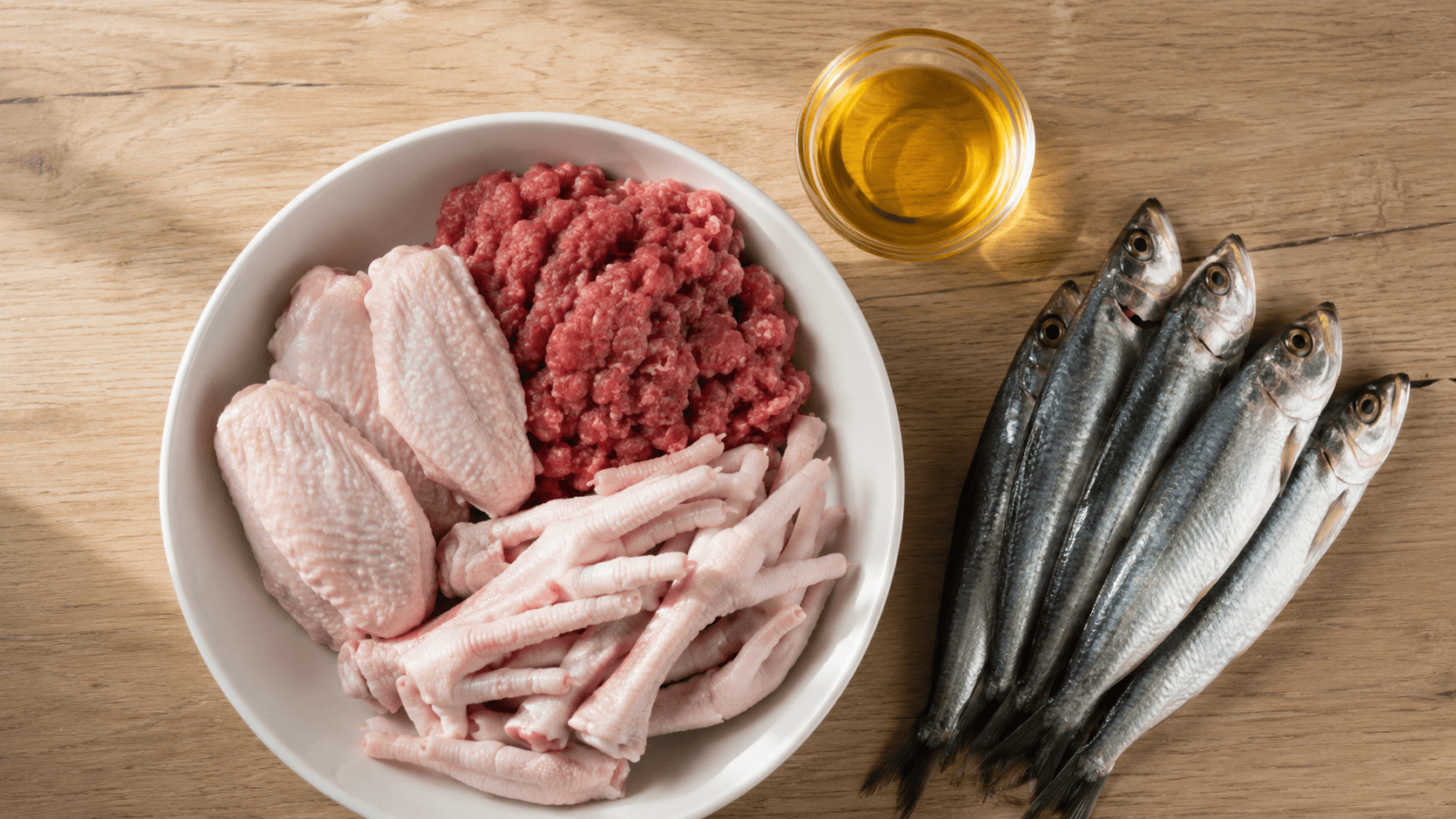
Raw feeding senior dogs is one of the most rewarding changes you can make as your dog grows older — but it does require a few adjustments compared to feeding an adult dog in their prime. Senior dogs have different protein needs, slower metabolisms, and often live with conditions like arthritis or kidney changes that a well-planned raw diet can actively support. This guide covers the seven most essential tips for raw feeding senior dogs in the UK in 2026, from portion sizing and protein choices through to supplements and joint health. Already raw feeding? Use our free raw dog food calculator to check your senior dog’s portions are dialled in correctly.
Why Raw Feeding Senior Dogs Differs from Feeding Younger Adults
Most dogs are considered seniors from around seven years old, though this varies by breed — larger breeds age faster, so a Great Dane may be senior at five, whilst a Border Terrier may not show real signs of ageing until nine or ten. When raw feeding senior dogs, the biggest physiological changes are a slower metabolism and a gradual shift in how they process protein, fat, and certain minerals.
Contrary to outdated advice, senior dogs do not need less protein — research increasingly shows they actually need more high-quality, easily digestible protein to maintain muscle mass as they age. The British Veterinary Association recommends regular weight checks for older dogs, as both weight gain from reduced activity and muscle wasting from age-related changes can creep up quickly. A biologically appropriate raw diet, rich in fresh meat protein, is one of the most reliable ways to keep muscle condition good well into old age.
Where raw feeding senior dogs does require more careful thought is around fat content, bone ratios, and certain organs — particularly if your dog has been diagnosed with kidney disease, pancreatitis, or liver issues. Each of these is covered in detail below.
How Much Raw Food Should a Senior Dog Eat?
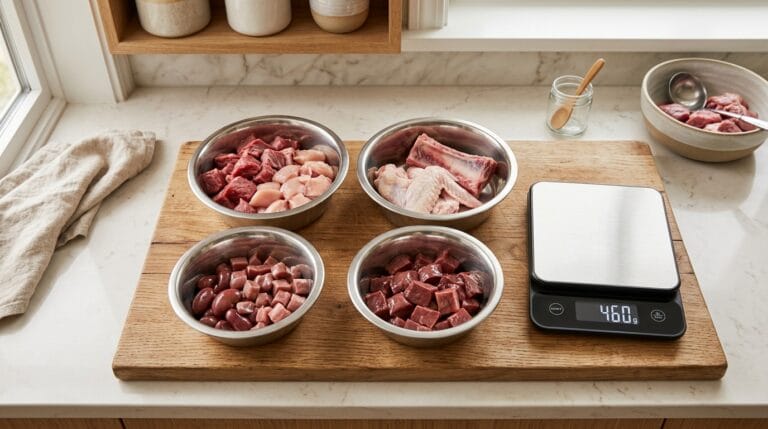
The standard adult raw feeding guideline is 2–3% of body weight per day. When raw feeding senior dogs, you typically drop toward the lower end of that range — around 2–2.5% — because most older dogs are less active and have a lower energy requirement. However, if your dog is losing weight or muscle condition, keep portions at 2.5–3% and switch to leaner, more digestible proteins rather than cutting quantity.
| Dog Weight | 2% per day | 2.5% per day | 3% per day |
|---|---|---|---|
| 10 kg | 200g | 250g | 300g |
| 20 kg | 400g | 500g | 600g |
| 30 kg | 600g | 750g | 900g |
| 40 kg | 800g | 1,000g | 1,200g |
Use our how much raw food guide for a detailed breakdown by breed type, or plug your dog’s weight directly into the free calculator to get a personalised daily portion adjusted for age and activity.
The Best Raw Proteins for Raw Feeding Senior Dogs
When raw feeding senior dogs, not all proteins are equal. Leaner meats are easier on the digestive system and kidneys, whilst very fatty proteins like pork belly or lamb neck are best used sparingly. Here is how to balance all three raw diet components for an older dog:
Muscle Meat (70–80%)
Lean proteins are ideal: chicken breast, turkey, rabbit, and lean beef mince. These are highly digestible, protein-dense, and gentle on ageing kidneys. Chicken and turkey are the top choices for most raw feeding senior dogs because they are low in phosphorus and fat relative to red meats. Venison and kangaroo are also excellent lean alternatives, increasingly available from UK raw food suppliers. Avoid very fatty cuts like pork belly or lamb shank as the primary muscle meat — keep these as occasional additions rather than daily staples.
Edible Bone (10%)
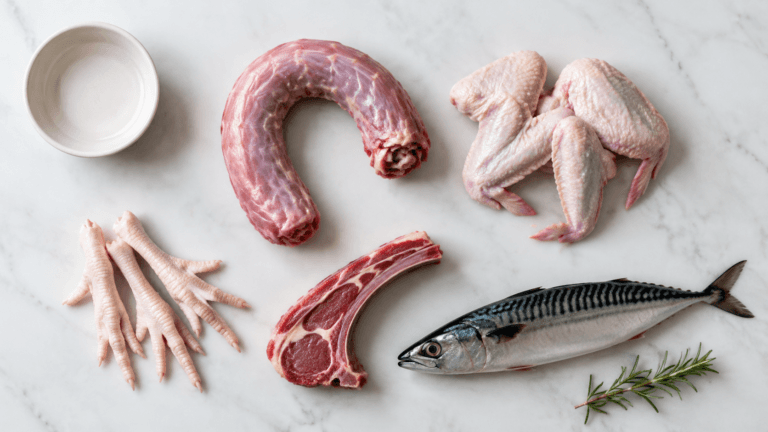
Keep bone content at around 10% — the same target as for adult dogs. For senior dogs with dental tartar or tooth sensitivity, softer bone sources like chicken wings, chicken necks, and whole sardines are preferred over harder options. Chewing through raw bones naturally removes dental tartar and exercises jaw muscles, which is particularly beneficial for older dogs. If your raw feeding senior dog has kidney disease, some vets recommend monitoring total phosphorus intake; in that case, ground bone mince is easier to portion-control than whole bones. See our raw bones for dogs guide for the full safe-bones breakdown.
Liver (5%)
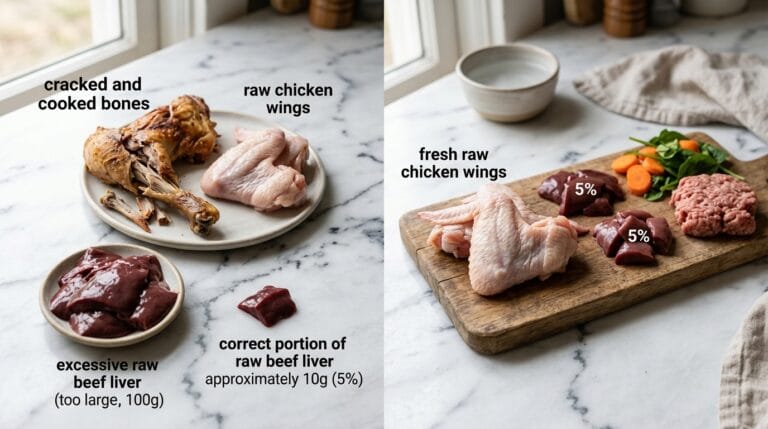
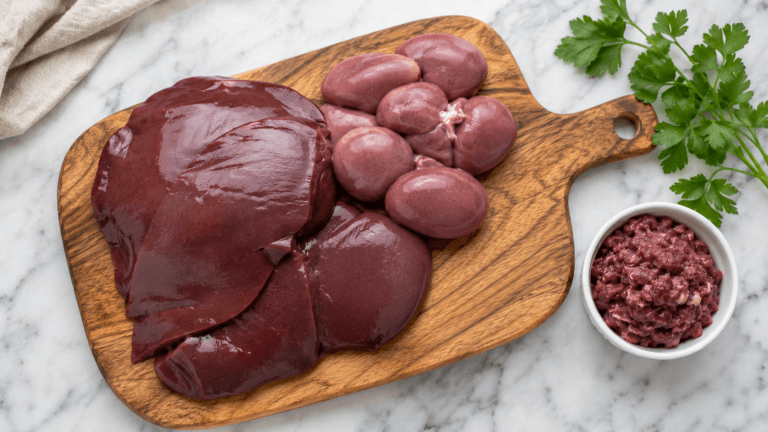
Liver remains essential at any age — it is the most nutrient-dense food available, providing retinol (vitamin A), B vitamins, iron, zinc, and copper. When raw feeding senior dogs, keep liver at around 5% of the weekly diet. Chicken or turkey liver is preferable to beef liver for older dogs because it is lower in total fat. Never exceed 10% — excessive vitamin A (hypervitaminosis A) is a risk with any raw diet, and senior dogs can be more sensitive to it. Lamb and ox liver are fine occasionally but richer; balance these with lighter options through the week.
Other Secreting Organs (5%)
Kidney, spleen, lung, and heart make up the remaining organ portion alongside liver, totalling around 10% combined. For a raw feeding senior dog, kidney and spleen are excellent choices — kidney provides vitamin D, B vitamins, and selenium. Lung is very low in fat and well tolerated even by dogs with digestive sensitivity. Heart, whilst often categorised as muscle meat, is an outstanding source of taurine and CoQ10 — both important for cardiac health in ageing dogs. Learn more about incorporating all organ types in our organ meat for dogs guide.
Raw Bones and Joint Health When Raw Feeding Senior Dogs
Stiff joints are one of the most common complaints in older dogs — and raw feeding can actively help, not hinder. Chicken feet deserve a special mention: they are the single best natural source of glucosamine and chondroitin available, both of which support cartilage health and reduce the inflammatory response in arthritic joints. A raw feeding senior dog with arthritis benefits greatly from 2–3 chicken feet per week woven into their bone allowance.
The act of chewing bones also provides gentle physical therapy for stiff jaws and neck muscles. For older dogs who struggle with hard chewing, softer options — chicken wings, fish frames, whole mackerel — keep them getting the bone content they need without straining teeth or jaw joints. The PDSA notes that weight management is the single most impactful intervention for arthritic dogs; a properly portioned raw diet is one of the most reliable ways to achieve and maintain healthy weight long-term.
Keep recreational bones (large beef ribs, lamb shanks) for dogs that can still manage them enthusiastically. If your senior shows less interest or tires quickly, scale back to softer edible bones and prioritise joint-supportive additions like chicken feet and oily fish instead.
Essential Supplements for Raw Feeding Senior Dogs
A well-balanced BARF or PMR diet covers most micronutrient needs, but raw feeding senior dogs can benefit from a handful of targeted additions that directly address the challenges of ageing:
- •Omega-3 fish oil — arguably the most impactful supplement for older dogs. Cold-water oily fish (salmon, mackerel, sardine oil) reduce systemic inflammation, support kidney function, improve coat condition, and have evidence for cognitive support in ageing dogs. Aim for 250–500mg EPA+DHA per 10kg of body weight daily.
- •Green-lipped mussel (GLM) — a New Zealand shellfish rich in glycosaminoglycans, omega-3s, and ETA (a rare anti-inflammatory fatty acid). GLM powder is widely available from UK pet supplement brands and has solid evidence for joint support in senior dogs.
- •Turmeric with black pepper — curcumin has well-documented anti-inflammatory properties. A golden paste (turmeric, coconut oil, black pepper) is popular among UK raw feeders for dogs with arthritis and stiffness.
- •Probiotics or plain kefir — ageing dogs can have slower gut motility. A daily tablespoon of plain goat’s kefir or a canine probiotic helps maintain microbiome diversity and nutrient absorption, both of which decline with age.
- •Vitamin E — a natural antioxidant that supports immune function and is especially useful when feeding high amounts of fish oil, which can deplete vitamin E stores over time.
For a comprehensive rundown including UK dosing guidance, see our dedicated supplements for raw fed dogs guide.
Managing Common Senior Conditions with Raw Feeding
Many owners start raw feeding senior dogs precisely because their dog has been diagnosed with a condition that standard kibble is not managing well. Here is how to tailor a raw diet to the four most common senior health challenges:
Kidney Disease (CKD)
Chronic kidney disease is common in senior dogs. Old advice recommended low protein — but current veterinary research supports appropriate quality protein over blanket restriction. Lean, highly digestible proteins (chicken, turkey, rabbit) are preferable to red meats. Phosphorus is the more critical dial to manage: reduce bone content to around 5–8% and limit high-phosphorus organs like kidney. Work with your vet on phosphorus levels and consider periodic blood panels to monitor kidney function. The Pet Food Manufacturers’ Association provides useful context on senior dog nutritional standards in the UK.
Arthritis and Joint Disease
As covered above, chicken feet (glucosamine), omega-3 oils (anti-inflammatory), and green-lipped mussel are your primary dietary tools. Raw feeding senior dogs with arthritis should be kept lean — every extra kilogram adds roughly four kilograms of load through the joints. Adjust portions down if your dog is overweight and use the free calculator to find the correct daily amount for their target weight.
Weight Management
Overweight senior dogs have shorter lifespans and poorer quality of life. Raw diets make calorie control straightforward because you can see exactly what goes into each meal. If your dog needs to lose weight, reduce portions by 10–15% and switch to leaner proteins. Avoid adding high-calorie extras like tripe or fatty mince as the primary meat. A raw feeding senior dog at ideal weight is more mobile, happier, and easier to manage medically.
Cognitive Function
Canine cognitive dysfunction — the dog equivalent of dementia — affects a significant proportion of dogs over ten. Omega-3 fatty acids, particularly DHA, have the strongest evidence for slowing cognitive decline in older dogs. Including oily fish (sardines, mackerel, whole sprats) twice weekly is one of the simplest and most affordable steps in any raw feeding senior dogs plan to actively support brain health in 2026.
How to Transition an Older Dog to Raw Feeding
If you are starting raw feeding senior dogs who have eaten kibble their whole lives, expect a slightly longer adjustment period than with younger dogs. Older dogs tend to have less gut microbiome diversity and may produce loose stools or reduced appetite in the first week or two — this is normal as the digestive system adjusts to real food.
A slow transition works best for raw feeding senior dogs: replace 25% of their current food with raw in week one, then 50%, then 75%, then full raw by week four. Choose a single novel protein — chicken is the standard starting point — and stick with it for the first two weeks before rotating. If your dog has a sensitive stomach, add a probiotic from day one to support the microbiome shift.
Never fast an older dog as part of a transition. Extended fasting can be harmful for seniors, particularly those with kidney issues or low muscle mass. Always stick to the gradual approach. For the complete step-by-step method, see our transitioning to raw food guide.
One important note: if your senior dog is on medication, inform your vet about the dietary change. Some medications — particularly those for kidney disease or thyroid conditions — may need dose review as your dog’s body condition improves on a raw diet. The RSPCA recommends keeping your vet in the loop for any significant dietary change in an older dog.
Frequently Asked Questions
Is raw feeding safe for senior dogs with health conditions?
Yes, in most cases. Raw feeding senior dogs with conditions like arthritis, weight issues, or dental disease is well supported. For dogs with kidney disease, pancreatitis, or liver conditions, consult your vet before switching — but in many cases a carefully managed raw diet is preferable to processed kibble. Always keep your vet informed of any significant dietary change.
Should raw feeding senior dogs include more or less protein?
More, not less. Current research supports higher-quality protein for senior dogs to maintain muscle mass as they age. The key is digestibility — lean, fresh meats like chicken, turkey, and rabbit are more readily absorbed than the processed or plant-based proteins found in many senior kibbles.
How often should I feed a raw feeding senior dog?
Most senior dogs do well on two meals per day. This spreads the protein load across the day (beneficial for kidney function) and maintains stable energy levels. Some smaller seniors may prefer three smaller meals if they struggle to eat a larger portion in one sitting.
Can I start raw feeding if my dog is already 12 years old?
Yes — it is never too late to improve a dog’s diet. Very old dogs may take a little longer to adjust, so transition over six weeks rather than four. The benefits of reduced inflammation, improved digestion, and better dental health are still very much available to elderly dogs. Many owners report dramatic improvements in mobility and energy even in dogs over 12.
Do I need to add vegetables when raw feeding senior dogs?
If following a PMR (Prey Model Raw) approach, vegetables are not considered essential. If following BARF (Biologically Appropriate Raw Food), a small amount of blended vegetables (10–15%) is included. For senior dogs specifically, certain additions like pumpkin (for digestion) and blueberries (antioxidants) can be useful regardless of which model you follow.
The Bottom Line
Raw feeding senior dogs in 2026 is more accessible and better supported than ever. The essentials are straightforward: lean, high-quality protein; 10% bone content from soft sources; careful organ ratios; and a handful of well-chosen supplements — particularly omega-3, green-lipped mussel, and probiotics. Adjust portions to your dog’s weight and activity level, transition slowly if switching from kibble, and work with your vet if health conditions are in the picture. Get it right, and raw feeding senior dogs can genuinely add quality years to your dog’s life.
Calculate Your Senior Dog’s Raw Rations
Use our free UK raw dog food calculator to get a personalised daily portion for your older dog — adjusted for weight, age, and activity level. Takes less than 60 seconds.
Try Our Free Calculator