Supplements for Raw Fed Dogs: What UK Owners Actually Need

The debate around supplements for raw fed dogs has been running in canine nutrition circles for years. Ask any raw feeding community and you will quickly find two opposing camps: those who insist that supplements for raw fed dogs are completely unnecessary when the diet is properly balanced, and those who add a whole shelf of extras to every bowl. The truth sits in the middle. Whether supplements for raw fed dogs make sense in your household depends on the variety and completeness of what you are already feeding, your dog’s age, breed, health status, and even where you live in the UK. This guide cuts through the noise so you know exactly which supplements for raw fed dogs are worth your money, what to skip, and what to watch out for.
When a Well-Balanced Raw Diet May Not Need Supplements
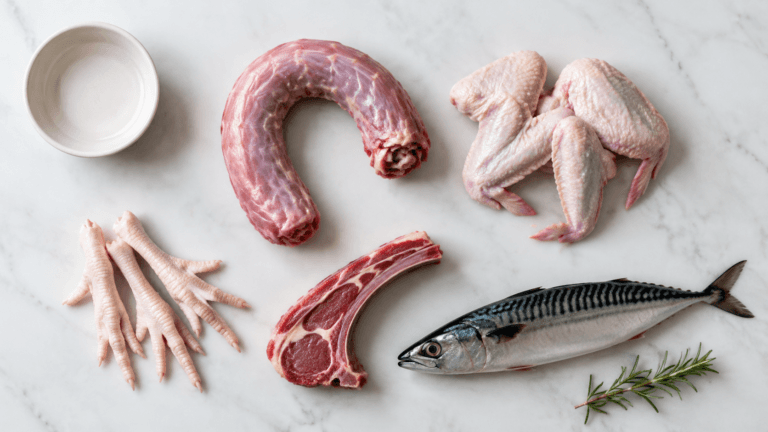
A truly complete raw diet — one that follows the 80/10/10 model (80% muscle meat, 10% raw bone, 10% offal) with a wide rotation of proteins, regular oily fish, eggs, and a variety of organ meats — can meet most of a dog’s nutritional requirements without any additions. In these cases, supplements for raw fed dogs become genuinely optional rather than essential. If your dog is eating:
- •At least four to five different protein sources across the week
- •Oily fish such as sardines, mackerel or sprats two to three times per week
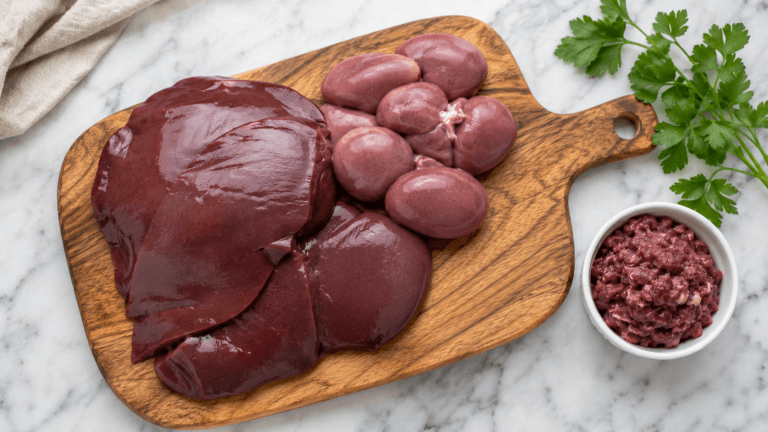
- •Liver, kidney and a secreting organ as part of the offal portion
- •Raw meaty bones appropriate to their size and chewing style
- •Whole raw eggs several times per week
…then the need for supplements for raw fed dogs is genuinely lower. The problem is that very few UK raw feeders manage this level of variety consistently. Many rely on convenient pre-made raw mince blends that are nutritionally complete on the label but may still fall short on certain micronutrients — particularly vitamin D, iodine and omega-3 fatty acids — especially once the food has been frozen and stored for several weeks. That is where targeted supplements for raw fed dogs earn their place.
6 Supplements for Raw Fed Dogs That Are Worth Considering
The following supplements for raw fed dogs are not trendy additions. Each one addresses a genuine nutritional gap commonly seen in typical UK raw diets, particularly during autumn and winter or when feeding a limited protein rotation. These are the additions most raw feeding nutritionists and experienced UK owners return to time and again.
1. Fish Oil (Omega-3 Fatty Acids)
Fish oil is the most universally recommended of all supplements for raw fed dogs. Oily fish fed fresh two or three times per week provides EPA and DHA naturally, but many owners feed whole prey less often than ideal, or rely on frozen blends where omega-3 content degrades over time. A good-quality wild-caught fish oil corrects this easily. Look for human-grade fish oil rather than supermarket own-brand pet versions, which often carry lower EPA/DHA concentrations. Dose by weight following the product’s guidelines, and store in a dark, cool place to prevent oxidation.
2. Vitamin E
Vitamin E is a particularly important consideration among supplements for raw fed dogs receiving fish oil or a high-fat diet. It acts as an antioxidant that protects cell membranes from oxidative damage — when fish oil intake increases, so does the demand for vitamin E. A natural mixed-tocopherol vitamin E supplement (not synthetic dl-alpha-tocopherol) is the preferred form. Small amounts of wheatgerm oil or sunflower seeds can also contribute, but a dedicated supplement is more reliable at achieving adequate levels.
3. Vitamin D3
Vitamin D3 is one of the most overlooked supplements for raw fed dogs in the UK. The country’s latitude means both humans and dogs get minimal sun exposure for meaningful vitamin D synthesis for a large part of the year. Unlike humans, dogs synthesise vitamin D primarily through diet rather than skin, making dietary sources essential. Oily fish, liver and egg yolks all contribute, but quantities in the average raw bowl are often insufficient. A low-dose vitamin D3 supplement (cholecalciferol) added a few times per week helps maintain optimal blood levels. Avoid high doses — vitamin D toxicity is a real risk.
4. Kelp or an Iodine Source
Kelp and other iodine sources are frequently missed when owners consider supplements for raw fed dogs. Iodine is found mainly in seafood and dairy, neither of which features heavily in most raw feeding plans, and meat contains very little. Iodine is essential for healthy thyroid function and consequently metabolism. A small pinch of kelp powder a few times per week provides a natural food-based iodine source along with trace minerals including selenium, manganese and zinc. Do not exceed recommended amounts — both deficiency and excess iodine negatively affect the thyroid.
5. Probiotics
Probiotics are among the more nuanced supplements for raw fed dogs. Raw-fed dogs generally have more diverse gut microbiomes than kibble-fed dogs, but this does not mean probiotic supplementation has no place. Periods of stress, illness, antibiotic treatment, or switching proteins can all disrupt gut flora. A multi-strain canine probiotic — or natural sources like raw goat’s milk, kefir and plain live yoghurt — helps maintain a balanced microbial community. Probiotics are particularly relevant as supplements for raw fed dogs with sensitive digestion, recurring loose stools during transitions, or those prone to yeast overgrowth.
6. Green-Lipped Mussel
Green-lipped mussel (GLM) has become one of the most popular joint-support supplements for raw fed dogs in the UK. GLM from New Zealand contains a unique profile of omega-3 fatty acids, glycosaminoglycans (including chondroitin), and antioxidants. Unlike standard fish oil, it provides ETA (eicosatetraenoic acid), which has notable anti-inflammatory properties. It is particularly popular among owners of working breeds, sporting dogs, or older dogs showing early signs of joint stiffness. GLM is available as freeze-dried powder or shell powder and is considered very safe at standard doses.
Supplements for Specific Conditions
Beyond the core six, some dogs benefit from targeted support based on their individual circumstances. When discussing supplements for raw fed dogs with specific health needs, it helps to think in categories.
Joint Health
Alongside green-lipped mussel, consider adding collagen or bone broth (made from simmered raw bones and connective tissue). Turmeric with black pepper and a fat source can offer anti-inflammatory support, though scientific evidence in dogs remains limited. Glucosamine and chondroitin from food-based sources such as chicken feet, trachea and green-lipped mussel are preferable to isolated synthetic versions for raw fed dogs seeking joint support.
Coat and Skin
Poor coat condition is one of the first signs of a nutritional imbalance. When considering supplements for raw fed dogs with dull or flaky coats, increasing omega-3 intake via fish oil, ensuring adequate zinc (found in red meat, pumpkin seeds and oysters), and adding biotin-rich foods like eggs and liver usually resolves the issue. Coconut oil is sometimes promoted for coat health, though it is high in saturated fats and offers limited omega-3 benefit — use sparingly if at all.
Gut Health
Dogs with recurring digestive issues, IBD, or a history of antibiotic use benefit most from regular probiotic and prebiotic support. When choosing supplements for raw fed dogs with gut problems, slippery elm bark powder used temporarily during loose stool episodes — alongside plain pumpkin puree for soluble fibre — can help normalise transit time without disrupting the raw diet.
Supplement Quick-Reference Table
The following table summarises the most relevant supplements for raw fed dogs along with approximate UK retail costs to help you budget and prioritise.
| Supplement | Key Benefit | Best For | Approx UK Cost |
|---|---|---|---|
| Fish Oil (Omega-3) | Anti-inflammatory, coat, brain | All dogs, especially limited rotation | £8–£18 / month |
| Vitamin E | Antioxidant, cell protection | High-fat or high fish oil diets | £5–£12 / month |
| Vitamin D3 | Bone health, immune function | Low-sunlight climates, indoor dogs | £4–£10 / month |
| Kelp Powder | Iodine, thyroid support | Meat-heavy diets, low seafood intake | £4–£8 / month |
| Probiotics | Gut microbiome balance | Sensitive digestion, post-antibiotics | £10–£25 / month |
| Green-Lipped Mussel | Joint support, anti-inflammatory | Active, older, or large breed dogs | £10–£22 / month |
Supplements to Be Cautious With
Not every supplement marketed to raw feeders is safe or necessary. When researching supplements for raw fed dogs, two areas carry genuine risk that owners must understand before adding anything new.
Vitamin A Toxicity
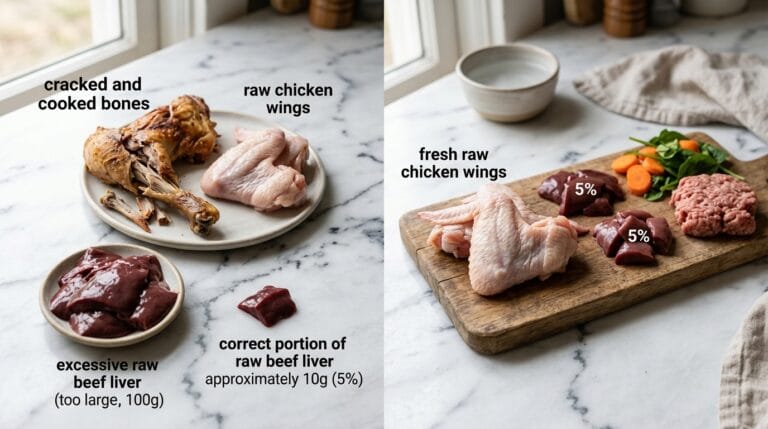
Liver is already the richest dietary source of vitamin A, and raw fed dogs eating liver regularly are already receiving substantial amounts. Adding a separate vitamin A supplement on top of a diet already containing liver can quickly lead to hypervitaminosis A — a serious condition causing bone malformation, joint pain and neurological problems. Never add standalone vitamin A supplements unless advised by a vet following a blood test. This is one of the most important cautions when exploring supplements for raw fed dogs.
Calcium Over-Supplementation
Dogs eating raw meaty bones get calcium from those bones. Adding a calcium supplement on top of a bone-inclusive raw diet creates a dangerous imbalance between calcium and phosphorus. Too much calcium in growing dogs is linked to developmental orthopaedic disease. If your dog is eating raw bones as 10% of the diet, no additional calcium supplement is needed. Only add calcium if feeding a completely boneless diet, and do so under the guidance of a qualified canine nutritionist.
How to Choose Quality Supplements for Raw Fed Dogs in the UK
The UK pet supplement market is largely unregulated compared to human supplements. Labels can make impressive claims without robust evidence. When selecting supplements for raw fed dogs, here is what to look for to ensure you are buying something safe and effective:
- •Third-party testing: Look for brands that publish Certificates of Analysis (COA) from independent labs confirming potency and purity.
- •Human-grade ingredients: Supplements manufactured to human standards generally contain cleaner raw materials and more accurate labelling.
- •Minimal fillers: Avoid products with unnecessary binders, artificial colours or flavourings — particularly problematic for dogs with sensitivities.
- •Transparent dosing: Any reputable product will provide clear dosing guidelines by weight and will not recommend exceeding them.
- •Professional guidance: The British Veterinary Association recommends consulting your vet before starting any new supplement regimen, particularly for dogs with existing health conditions.
Tip: When introducing supplements for raw fed dogs, start with one product at a time and allow one to two weeks before adding another. This makes it much easier to identify any adverse reaction or sensitivity.
Know Your Dog’s Daily Requirements?
Before adding any supplements for raw fed dogs, make sure your dog’s core diet is correctly portioned. Use our free calculator to get an accurate daily feeding amount based on your dog’s weight, age and activity level.
Try Our Free CalculatorFrequently Asked Questions About Supplements for Raw Fed Dogs
Do supplements for raw fed dogs replace a balanced diet?
No — supplements for raw fed dogs are exactly that: supplements. They are designed to fill specific nutritional gaps in an otherwise well-constructed diet, not to compensate for a poorly varied or unbalanced one. If your dog’s raw diet is missing whole food groups or is based on a single protein source, adding a few supplements for raw fed dogs will not make up for that deficiency. Focus on dietary variety first, then use targeted supplementation to address remaining gaps with guidance from a qualified canine nutrition professional.
How do I know if my raw fed dog needs supplements?
Common signs that supplements for raw fed dogs may be needed include a dull or flaky coat, low energy, recurring loose stools, stiff joints, or slow recovery after exercise. A full blood panel through your vet — covering vitamin D, B12 and iron levels — can reveal specific deficiencies. If your dog’s diet is limited to one or two proteins with no oily fish, eggs or organ meat variety, proactively adding core supplements for raw fed dogs is a sensible approach even without clinical symptoms.
What is the best fish oil supplement for raw fed dogs in the UK?
The best fish oil supplements for raw fed dogs in the UK are wild-caught, cold-water varieties — typically anchovy, sardine or salmon-based — with a high combined EPA and DHA content per serving. Look for products with a clear mg-per-ml breakdown rather than vague marketing language. Smaller fish like anchovies and sardines carry a lower heavy metal burden than larger species like tuna or cod. Liquid oils are generally better absorbed than capsules, and refrigerating after opening preserves freshness and potency.
Bottom Line
Choosing the right supplements for raw fed dogs is not a sign of failure — it is a practical response to real-world feeding constraints. Very few UK owners can source and rotate the sheer variety of whole prey, organ meats and oily fish needed to consistently meet all micronutrient requirements without any additions. The six core supplements for raw fed dogs covered here — fish oil, vitamin E, vitamin D3, kelp, probiotics and green-lipped mussel — address the nutritional gaps most likely to appear in a typical UK raw diet. Add them thoughtfully, one at a time, avoid exceeding safe upper limits, and always consult your vet if your dog has an existing health condition before making any changes.