7 Best Raw Fish for Dogs UK: Safe & Healthy Picks for 2026
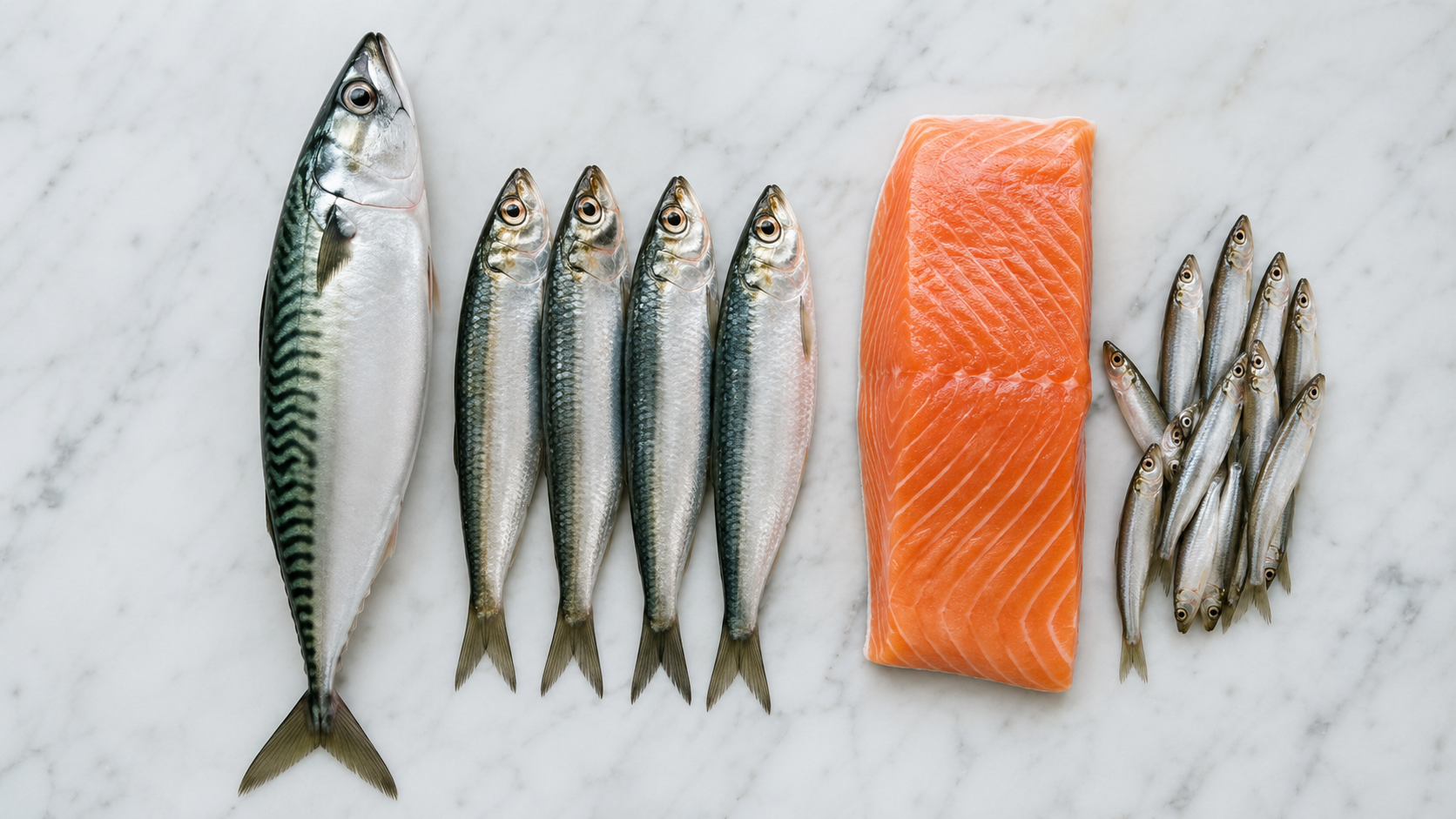
Raw fish for dogs UK owners can add to the bowl is one of the most nutrient-dense and underused proteins in a biologically appropriate raw diet — packed with omega-3 fatty acids (EPA and DHA), natural taurine, vitamin D, and iodine. Yet many raw feeders either skip fish entirely or rely on a tin of sardines once a month. This guide covers the 7 best raw fish for dogs, how to prepare each safely, how much to feed, and which species to avoid altogether. Whether you follow a BARF model or strict PMR ratios, fish deserves a regular weekly slot on the menu.
Why Raw Fish for Dogs UK Raw Feeders Should Prioritise
Fish is biologically appropriate for dogs. In the wild, canids living near coastlines and rivers regularly consume whole fish — bones, organs, and skin included. Modern raw feeding has largely focused on poultry and red meat, but that leaves a meaningful gap in several key nutrients that raw fish for dogs fills exceptionally well.
The three headline benefits are:
- •Omega-3 fatty acids (EPA and DHA) — support joint health, reduce systemic inflammation, maintain skin and coat condition, and promote healthy brain function, especially in senior dogs.
- •Taurine — an amino acid critical for cardiac health; oily fish are one of the richest natural sources available to dogs on a raw diet.
- •Vitamin D and iodine — micronutrients that are difficult to source in meaningful amounts from land-based meats alone, yet essential for thyroid function, immune support, and calcium metabolism.
According to the Pet Food Manufacturers’ Association (PFMA), omega-3 intake is consistently below recommended levels in many UK dogs, particularly those on dry food diets. Adding raw fish for dogs is the most direct, whole-food way to correct that deficit — without relying on synthetic supplements.
The 7 Best Raw Fish for Dogs UK Owners Can Source
Not every fish carries the same nutritional profile or safety record. The table below summarises the 7 best raw fish for dogs available across the UK, ranked by omega-3 density:
| Fish | Omega-3 per 100g | Safe Raw? | UK Availability |
|---|---|---|---|
| Mackerel | ~2.6g | ✓ Yes | Excellent |
| Sardines (whole) | ~2.2g | ✓ Yes | Excellent |
| Salmon | ~2.0g | ⚠ Freeze first | Good |
| Herring | ~1.7g | ✓ Yes | Good |
| Sprats | ~1.5g | ✓ Yes | Excellent |
| Trout | ~1.1g | ⚠ Freeze first | Moderate |
| Coley (Saithe) | ~0.5g | ✓ Yes | Good |
Omega-3 values are approximate and vary by season and fat content. Source: UK Composition of Foods Integrated Dataset (COFID).
A Closer Look at Each Raw Fish for Dogs
Here’s what makes each of these the best raw fish for dogs UK feeders can rely on, and the practical details you need to feed them safely.
1. Mackerel — The Omega-3 Powerhouse
Whole Atlantic mackerel is arguably the best raw fish for dogs UK feeders can access year-round. It’s inexpensive (typically £1–£2.50/kg from fishmongers or supermarket counters), the bones are completely soft and digestible, and the omega-3 content is the highest of any commonly available species. Whole mackerel serves double duty as a protein meal and an edible bone source — a single medium mackerel (roughly 300g) makes a satisfying meal for a 20–25kg dog. Mackerel’s natural thiamine content also supports healthy nerve function.
2. Sardines — The Everyday Staple
Whole fresh sardines are the most versatile raw fish for dogs in the UK. Small, fully edible bones and all, with a nutritional profile that rivals mackerel. Most UK fishmongers carry them; frozen packs are stocked by the majority of raw pet food suppliers. Sardines work particularly well as a meal topper for dogs transitioning to raw, or blended into chicken mince to lift the omega-3 content significantly. Three or four whole sardines (around 120–150g) constitutes a generous topper for a medium dog’s meal.
3. Salmon — Nutritious, but Freeze First
Salmon offers outstanding DHA and EPA levels and dogs almost universally love the flavour. However, raw salmon (and trout) from wild or Pacific stocks can carry Neorickettsia helminthoeca — the parasite responsible for Salmon Poisoning Disease (SPD). SPD is rare in UK-sourced Atlantic salmon, but best practice is to freeze all salmon at −18°C for a minimum of two weeks before feeding raw. Atlantic farmed salmon from UK supermarkets that has been commercially blast-frozen is already safe. The RSPCA advises checking the freezing history with your supplier before feeding salmon raw.
4. Herring — Cheap and Nutrient-Dense
Herring is a genuinely underrated raw fish for dogs in the UK. Source it from fishmongers or specialist raw pet food suppliers — it’s inexpensive (often under £1.50/kg in season), the bones are completely soft, and the fat-to-protein ratio is excellent for active dogs. Some raw food companies, including Honey’s Real Dog Food and Wolf Tucker, sell frozen herring packs specifically for dogs in 1–5kg bags. If mackerel is unavailable or out of season, herring is an equal nutritional substitute.
5. Sprats — The Small-Breed Hero
Sprats are tiny, oily fish eaten whole. For small breeds — Chihuahuas, Dachshunds, Jack Russells — a handful of sprats (50–80g) constitutes a complete protein meal. They’re sold in bulk bags (1–5kg) by most UK raw food suppliers and freeze well for up to six months. Thawed sprats cut into quarters also make excellent high-value training treats. Use them fresh or thawed — never tinned in brine or oil, which negates the omega-3 benefit and adds unnecessary salt. Sprats are one of the best-value raw fish for dogs the UK market offers, typically costing £2–£3/kg frozen.
6. Trout — Freeze Before Feeding
UK-farmed rainbow trout is a solid raw fish for dogs — leaner than salmon and mackerel, but still a meaningful protein source with worthwhile omega-3 levels. Like salmon, it should be frozen for two weeks first. Whole trout from supermarkets (typically £3–£5 each) serves as a weekly meal for a medium dog. Soft bones make it fully digestible when the fish is small to medium-sized. Avoid wild-caught river trout — the parasite risk and potential heavy metal load are harder to verify. Stick to farmed UK Atlantic trout from trusted suppliers.
7. Coley (Saithe) — The Budget White Fish
Coley is a lean white fish that’s often overlooked but earns its place on the rotation. Lower in fat and omega-3 than oily fish, coley is one of the cheapest raw protein sources available — often £2–£3/kg from fishmongers — and ideal for dogs who can’t tolerate high-fat meals or are prone to pancreatitis. Use coley as a lean protein day alongside richer oily fish across the week, rather than as a primary omega-3 source. It’s also a useful option for dogs with sensitivities to the stronger flavour of oily fish.
How Much Raw Fish Should You Feed Your Dog?
Raw fish for dogs in the UK should typically account for 10–15% of the weekly raw food intake by weight. It replaces one or two standard protein meals per week rather than being added on top. A rough guide to single fish meal size (once or twice weekly), based on a 2.5% bodyweight daily intake:
Approximate single fish meal sizes. Adjust for your dog’s body condition — reduce if gaining weight, increase if underweight or very active.
For precision, use our free raw dog food calculator to balance fish against muscle meat, edible bone, liver, and other organs across the full week.
Raw Fish Safety: What You Need to Know in 2026
Feeding raw fish for dogs in the UK is safe when you follow a few straightforward rules. The risks are manageable, and most experienced raw feeders encounter no issues at all once they understand them.
Always freeze salmon and trout before feeding
Freeze at −18°C for a minimum of two weeks. This eliminates any parasite risk. Commercially frozen supermarket fillets have typically been blast-frozen already and are safe to defrost and feed directly.
Feed whole small fish — avoid large raw fish bones
Whole small raw fish (mackerel, sardines, herring, sprats) have soft bones that dissolve during digestion and count toward your dog’s edible bone content — see our raw bones for dogs UK guide for how bone content fits into the overall diet. Large fish bones from bigger white fish species (cod, haddock) can be sharp — fillet first and discard the carcass if feeding these.
Avoid thiaminase-rich freshwater fish
Some freshwater species — notably raw carp, pike, and roach — contain thiaminase, an enzyme that destroys vitamin B1 (thiamine). Feeding these raw in quantity over time can lead to thiamine deficiency. All seven species in this guide are safe and thiaminase-free.
Standard raw-handling hygiene applies
Handle raw fish the same way you’d handle any raw meat. The UK Food Standards Agency recommends washing hands thoroughly before and after, using separate chopping boards and utensils for raw pet food, and cleaning your dog’s bowl after each raw meal.
Fish to Avoid Feeding Your Dog
Not every fish is suitable as raw fish for dogs. UK feeders should keep these off the menu:
- ✗Smoked or cured fish — exceptionally high in sodium; salt toxicity is a genuine risk, even in small amounts.
- ✗Tinned fish in brine or sunflower oil — brine is too salty; vegetable oils displace the omega-3 benefit. If fresh isn’t available, use tinned in spring water only.
- ✗Tuna in large amounts — mercury accumulation is a concern with regular feeding; occasional small amounts are fine but it should not be a primary raw fish for dogs in any UK diet.
- ✗Swordfish, shark, and marlin — apex predators with very high mercury and heavy metal accumulation; not appropriate as raw fish for dogs under any circumstances.
- ✗Raw carp, pike, and roach — thiaminase risk; can deplete vitamin B1 over time when fed regularly.
- ✗Seasoned, battered, or cooked fish — onion, garlic, leeks, and many spices used in human fish cooking are toxic to dogs. Cooked bones of any species splinter dangerously.
Where to Source Raw Fish for Dogs in the UK
Finding reliable raw fish for dogs in the UK is easier than most beginners expect. These are the best sources in 2026:
- •Local fishmongers — the best value by far. Ask for whole mackerel, sardines, or herring at £1–£2.50/kg. Many will save fish frames and off-cuts cheaply or free if you ask regularly.
- •Supermarket fish counters — Asda, Tesco, Morrisons, and Sainsbury’s all stock fresh and frozen oily fish. Check the reduced section at end of day for discounts on whole mackerel and sardines.
- •Raw pet food suppliers — Honey’s Real Dog Food, Nutriment, Natural Instinct, DAF, and Bella & Duke all stock frozen sprat bags, mackerel, and herring in 1–5kg bulk packs specifically formulated as raw fish for dogs.
- •Asian supermarkets — brilliant for whole frozen fish (mackerel, herring, pomfret) at very low prices, often £1/kg or under. Worth exploring if you’re feeding a larger breed regularly.
- •Online wholesale — websites like The Fish Society and Delish Fish offer bulk frozen packs; factor in delivery costs before ordering. For more sourcing strategies, see our guide to sourcing raw dog food across the UK.
Buying in bulk and portioning into meal-sized bags before freezing keeps costs manageable. Sprat bags and mackerel packs keep well for up to six months at −18°C. For more money-saving strategies across your whole raw diet, see our bulk buying raw meat in the UK guide.
Frequently Asked Questions
How often should I feed raw fish for dogs?
+
Most UK raw feeders include one to two fish meals per week. Feeding raw fish for dogs more than three times a week can tip the omega-3:omega-6 ratio too far, particularly in dogs already eating a lot of poultry (which is high in omega-6). Aim for one dedicated fish meal, or add a handful of sprats or a mashed sardine as a topper on other protein days. Variety within your weekly rotation gives the best all-round nutrient profile.
Is raw fish safe for dogs if it hasn’t been frozen?
+
For mackerel, sardines, herring, sprats, and coley — yes, fresh-from-the-fishmonger raw fish is safe for dogs without prior freezing. For salmon and trout specifically, freeze at −18°C for two weeks first to eliminate any parasite risk. Commercially pre-frozen fillets from UK supermarkets are already safe. If you’re ever uncertain about a fish’s origin or freezing history, err on the side of freezing it yourself before feeding.
Can puppies eat raw fish for dogs UK-style?
+
Yes — raw fish is especially valuable for puppies. DHA is critical for brain and eye development in the first year of life, and oily fish is the richest whole-food source available. Start with soft, whole small fish like sardines or sprats once your puppy is confidently eating solid raw meals (from around 8–10 weeks). Always freeze salmon and trout first. For complete puppy raw feeding guidance, see our UK puppy raw feeding guide.
Can my dog eat raw fish bones?
+
Yes — raw bones from small oily fish (mackerel, sardines, herring, sprats) are soft and fully digestible, and count toward your dog’s 10% edible bone content in a PMR diet. Cooked fish bones are the danger — heat makes them brittle and prone to splintering into sharp shards. Never feed fish bones that have been cooked, even if they were raw beforehand.
My dog refuses raw fish — how do I introduce it?
+
Fish aversion is common in dogs transitioning from kibble — the smell and texture are unfamiliar. Start by mashing a small sardine into a familiar meal and gradually increase the amount over two to three weeks. Some dogs prefer their raw fish lightly seared on the outside to reduce the raw scent; this is acceptable as long as the bones remain uncooked and still soft. Alternatively, a high-quality fish oil capsule can bridge the omega-3 gap whilst you build acceptance to whole fish. See our transition to raw guide for general tips on introducing new proteins.
The Bottom Line
The best raw fish for dogs UK feeders can source — mackerel, sardines, salmon, herring, sprats, trout, and coley — are among the most nutrient-dense and cost-effective additions to any biologically appropriate raw diet. Feed one or two fish meals per week, freeze salmon and trout before serving, stick to whole small fish with soft edible bones, and avoid smoked, salted, or high-mercury species. Done well, raw fish delivers the omega-3 fatty acids, taurine, vitamin D, and iodine that land-based proteins simply cannot match. Your dog’s coat, joints, heart, and brain health will benefit from making it a consistent part of the rotation.
Balance Your Dog’s Raw Diet
Use our free UK raw dog food calculator to work out exactly how much fish, muscle meat, bone, and organ your dog needs each week — tailored to their weight, age, and activity level.
Try Our Free Calculator